
Cheesy and Delicious Butternut Squash Lasagna Recipe for Family Meals
Maggie Collins · October 21, 2026
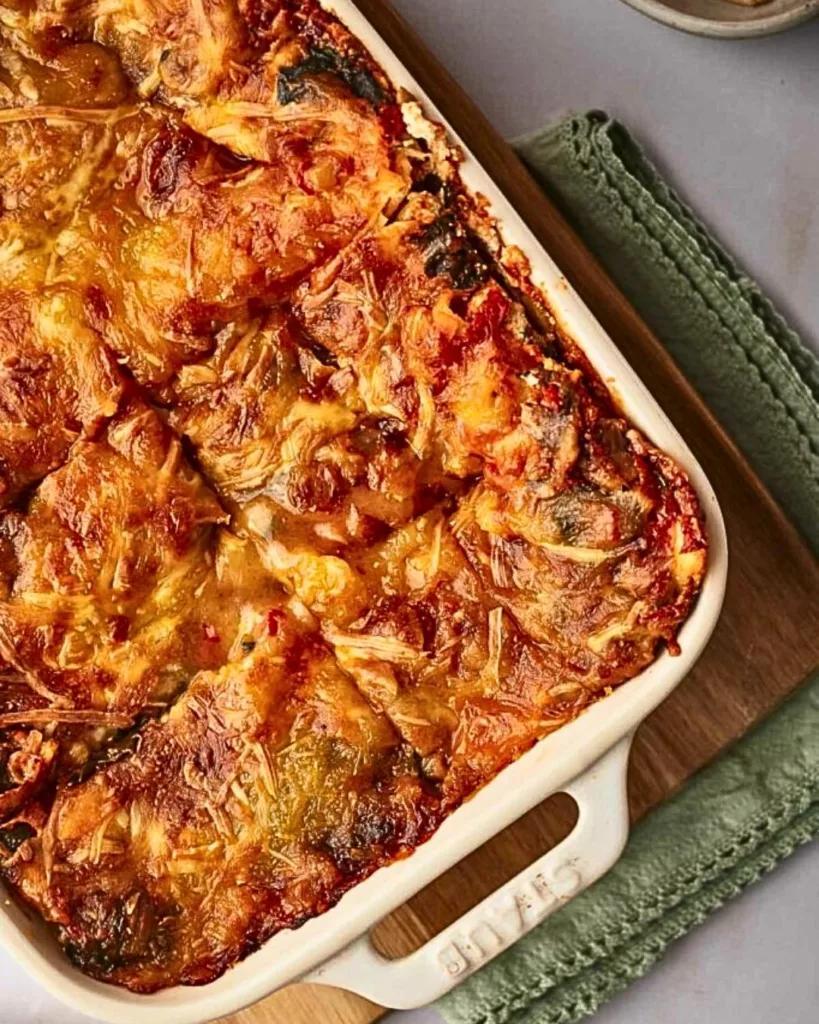
The first time I put butternut squash in a lasagna my husband looked at the pan with the face of a man who had serious doubts.
Credit: @splash_of_taste_uk
He ate two portions. Then he asked if there was more.
That is the whole case I need to make for this recipe. It sounds like a stretch, butternut squash where the meat sauce should be, but the combination of sweet roasted squash, creamy béchamel, and melted cheese works in a way that makes complete sense once you’re eating it. It’s hearty and warming and it has enough going on in every layer that nobody misses the meat. Nobody, including the man who was skeptical from across the kitchen.
The Butternut Squash Layer
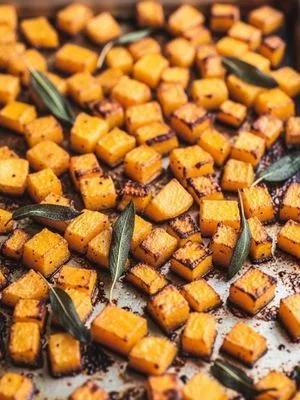
Roast it first. Same rule as always, same reason as always.
Peel and cube a large butternut squash into roughly half-inch pieces. Toss with olive oil, salt, pepper, a pinch of nutmeg, and half a teaspoon of dried sage or a handful of fresh sage leaves. Spread on a parchment-lined baking sheet in a single layer and roast at 425°F for 25 to 30 minutes until the edges are golden and caramelized.
The nutmeg and sage are not optional here. Nutmeg has a particular affinity with both squash and béchamel and it appears in both parts of this dish for that reason. Sage deepens the squash flavor and adds an earthiness that balances the sweetness. Together they make the squash layer taste like it belongs in an Italian kitchen, which is exactly where we want it.
Set the roasted squash aside. You’ll scatter it between the pasta layers rather than making it into a puree, which gives the lasagna more texture and substance.
The Béchamel
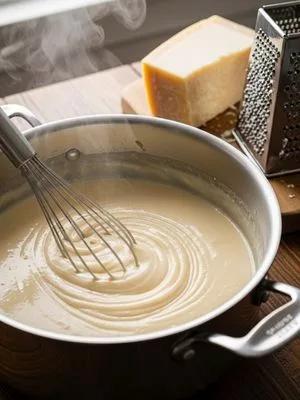
A proper béchamel is one of the most useful things you can know how to make and this lasagna is a good reason to learn it if you haven’t already.
Melt four tablespoons of butter in a saucepan over medium heat. Add four tablespoons of flour and stir constantly for 2 minutes until the mixture looks pale golden and smells slightly nutty. This is your roux. Cooking it out for those 2 minutes removes the raw flour taste.
Add three cups of warm whole milk in a slow steady stream, whisking constantly to prevent lumps. Keep whisking over medium heat until the sauce thickens enough to coat the back of a spoon, about 8 to 10 minutes. Season with salt, white pepper, and a generous pinch of freshly grated nutmeg.
Take it off the heat and stir in half a cup of grated parmesan. Taste it. The béchamel should be rich, slightly nutty from the parmesan, and warmly seasoned. It should also be on the looser side since it thickens further as the lasagna bakes.
If it develops lumps at any point, a vigorous whisk over medium heat usually smooths them out. If they persist, push the sauce through a fine mesh strainer. It’s worth the extra step.
The Ricotta Layer
Combine two cups of whole milk ricotta with one egg, half a cup of grated parmesan, a handful of chopped fresh flat-leaf parsley, salt, pepper, and a pinch of nutmeg.
The egg binds the ricotta so it holds its layer structure as the lasagna bakes rather than sliding and collapsing. Don’t skip it. The whole milk ricotta is also important here. Part-skim ricotta has more water in it and makes the lasagna watery rather than creamy. This is not the place for low-fat shortcuts.
The Cheese
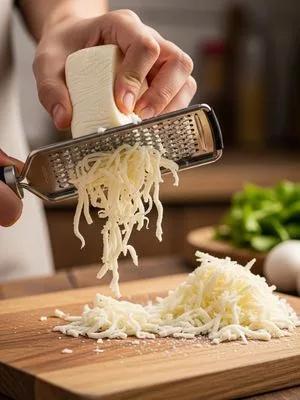
Mozzarella and parmesan throughout. Low-moisture mozzarella, not fresh. Fresh mozzarella is beautiful on a pizza but in a baked lasagna it releases too much water and makes the whole dish soupy.
Shred the mozzarella yourself from a block if you can. Pre-shredded mozzarella is coated in anti-caking starch that prevents it from melting as smoothly as freshly shredded cheese does. It’s a small difference but it’s visible in the finished dish.
About two cups of shredded low-moisture mozzarella and a full cup of grated parmesan divided between the layers and the top. The parmesan on the top layer browns and creates that deep golden crust that makes the whole pan look as good as it tastes.
Building the Lasagna
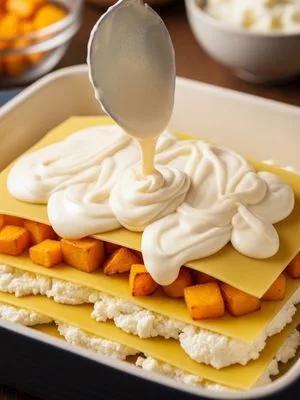
Spread a thin layer of béchamel on the bottom of a greased 9×13 baking dish. This prevents the bottom pasta layer from sticking and drying out.
Layer as follows: pasta sheets, ricotta mixture, roasted squash, a handful of mozzarella, a ladle of béchamel. Repeat three times. For the final layer, pasta sheets topped with the remaining béchamel and a generous, even coverage of mozzarella and parmesan.
Use no-boil lasagna sheets or boil regular lasagna sheets just shy of al dente, about 2 minutes less than the package says. They finish cooking in the oven and you want them to have a little give left when they go in.
Cover tightly with foil and bake at 375°F for 40 minutes. Remove the foil and bake for another 20 to 25 minutes until the top is deeply golden and bubbling at the edges. Let it rest for at least 15 minutes before cutting. This is the part nobody wants to wait for and it’s the most important step. A lasagna cut too soon falls apart on the plate. Fifteen minutes gives the layers time to settle and the slices come out clean.
Recipe Card
Yield: 8 to 10 servings Prep time: 45 minutes Cook time: 1 hour 10 minutes Total time: 1 hour 55 minutes
For the Roasted Squash
- 1 large butternut squash, about 3 lbs, peeled and cubed into 1/2-inch pieces
- 2 tablespoons olive oil
- Salt and black pepper
- 1/2 teaspoon dried sage or 8 fresh sage leaves
- Pinch of ground nutmeg
For the Béchamel
- 4 tablespoons unsalted butter
- 4 tablespoons all-purpose flour
- 3 cups whole milk, warmed
- Salt and white pepper to taste
- Generous pinch of freshly grated nutmeg
- 1/2 cup grated parmesan
For the Ricotta Layer
- 2 cups whole milk ricotta
- 1 large egg
- 1/2 cup grated parmesan
- Handful of fresh flat-leaf parsley, chopped
- Salt, pepper, and a pinch of nutmeg
For Assembly
- 12 lasagna sheets, no-boil or par-boiled
- 2 cups low-moisture mozzarella, freshly shredded
- 1 cup grated parmesan, divided
Instructions
- Preheat oven to 425°F. Toss squash cubes with olive oil, salt, pepper, sage, and nutmeg. Roast on a parchment-lined sheet pan for 25 to 30 minutes until golden and caramelized. Set aside. Reduce oven to 375°F.
- Make the béchamel. Melt butter over medium heat. Whisk in flour and cook for 2 minutes. Add warm milk in a slow stream, whisking constantly until thickened, 8 to 10 minutes. Season with salt, white pepper, and nutmeg. Stir in parmesan off the heat.
- Make the ricotta mixture. Combine ricotta, egg, parmesan, parsley, salt, pepper, and nutmeg in a bowl.
- Grease a 9×13 baking dish. Spread a thin layer of béchamel on the bottom.
- Layer: pasta sheets, ricotta mixture, roasted squash, mozzarella, béchamel. Repeat 3 times. Final layer: pasta sheets, remaining béchamel, mozzarella, and parmesan.
- Cover tightly with foil. Bake at 375°F for 40 minutes. Remove foil and bake 20 to 25 minutes more until deeply golden and bubbling.
- Rest for at least 15 minutes before cutting and serving.
Author: Maggie Collins, The ’96 Kitchen
The Lasagna That Converts the Skeptics
Every person I’ve served this to who came in doubtful has left converted. That is a consistent track record across fifteen years and I have no reason to think it will change.
Make it for a family dinner, a potluck, a Sunday afternoon when you want to feed people something that tastes like real effort. It reheats beautifully the next day, which means any leftovers are just another reason to be pleased with yourself for making it.