
Bake Like a Pro: 18 Easy and Delicious Bread Recipes
Maggie Collins · 7 novembre 2026
I was afraid of bread baking for most of my adult life. I thought it required precision I didn’t have, equipment I couldn’t justify buying, and a level of patience that felt more like a personality trait than a skill.
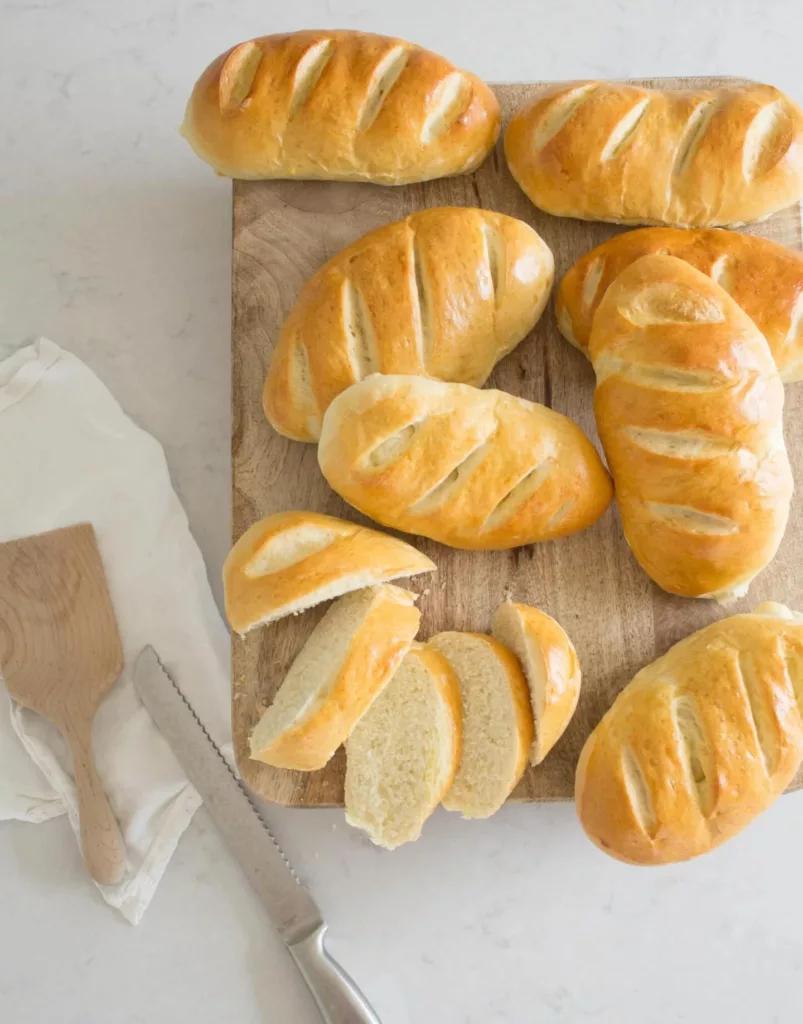
Credit: @handmade.farmhouse
Then I made my first no-knead loaf on a Sunday afternoon and pulled something extraordinary out of a Dutch oven. Crusty outside, open crumb inside, and it took about ten minutes of actual effort. That loaf changed everything. These eighteen recipes cover the full range of what bread baking at home can be, from the genuinely effortless to the satisfyingly involved.
1. No Knead Crusty Bread
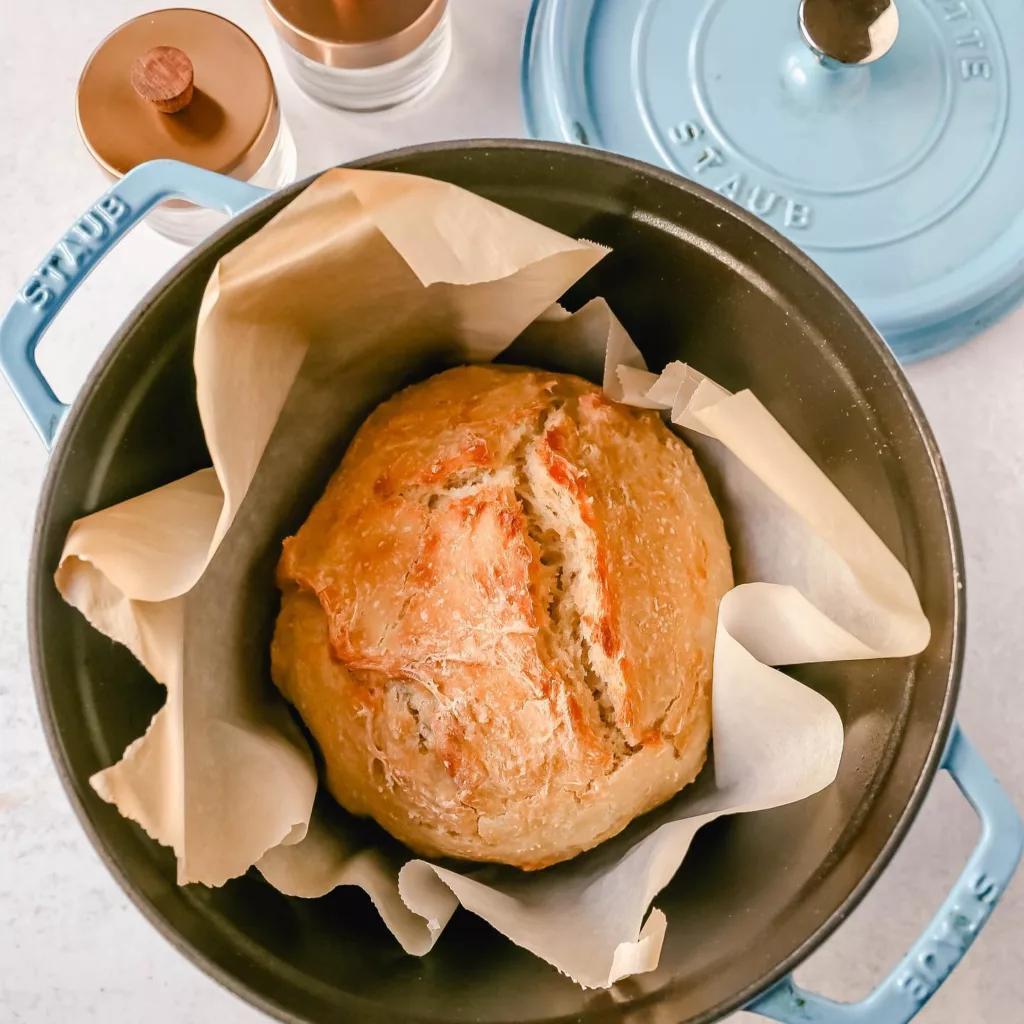
Credit: @modern_honey
Stir together flour, instant yeast, salt, and water until a shaggy dough forms. Cover and rest at room temperature for 12 to 18 hours. Fold a few times, shape loosely, and rest another hour while your Dutch oven preheats at 450°F.
Bake covered for 30 minutes, then uncovered for 15 more. The steam inside the Dutch oven creates the crackling crust that normally requires a professional oven. This is the bread that started my baking journey and it is still the one I make most often.
2. Classic White Sandwich Bread
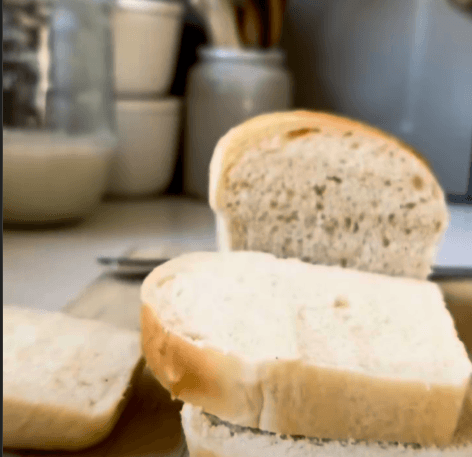
Credit: @berg_bakes
Combine flour, yeast, sugar, salt, butter, and warm milk. Knead for 8 minutes until smooth. Let rise until doubled, shape into a loaf, place in a buttered pan, and let rise again until the dough crowns above the rim.
Bake at 350°F for 30 to 35 minutes until golden and hollow-sounding. This is the bread that makes the best toast, the best sandwiches, and the best French toast of any loaf I have made. Once you bake your own, the store-bought version is very difficult to go back to.
3. Honey Whole Wheat Bread
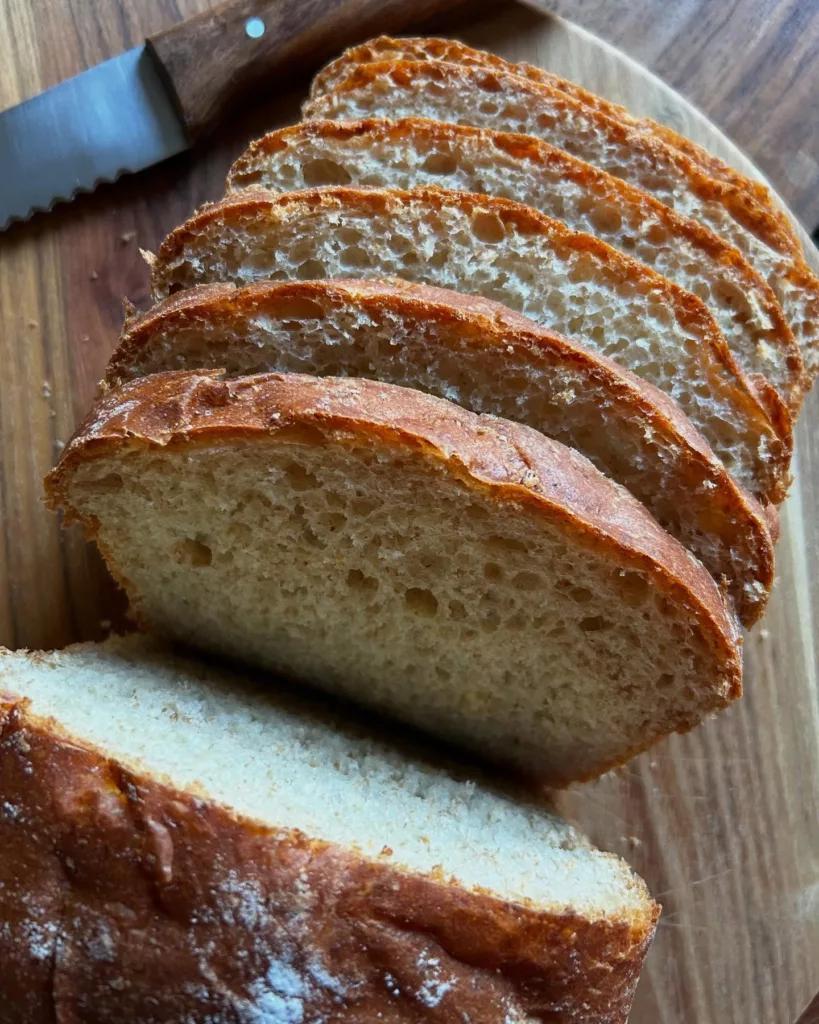
Credit: @harvestandnourish
Replace half the all-purpose flour with whole wheat flour and add two tablespoons of honey to the dough. The honey balances the slight bitterness of the whole wheat and adds a warmth that makes this loaf noticeably more interesting than plain white bread.
Knead well because whole wheat flour is heavier and needs more work to develop the gluten structure. The loaf will be denser than white bread and that is completely correct. It makes excellent sandwiches and it toasts beautifully with butter and more honey spread on top.
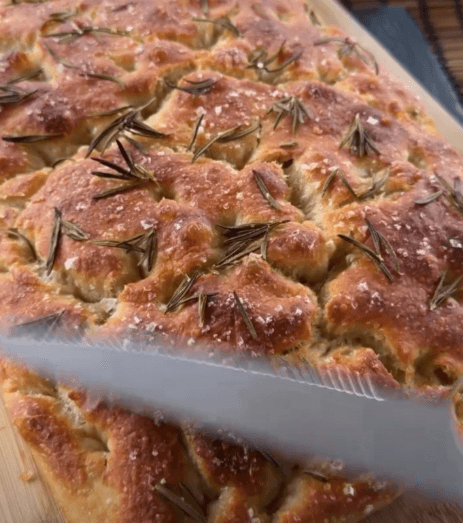
4. Focaccia
Credit: @theglobalvegetarian
Combine flour, yeast, salt, olive oil, and water into a loose, sticky dough. Do not add more flour. The high hydration gives focaccia its open, airy texture. Stretch and fold four times over two hours, transfer to an oiled pan, dimple with your fingers, and drizzle with olive oil.
Top with flaky salt, fresh rosemary, and cherry tomatoes or olives. Bake at 425°F for 20 to 25 minutes until deeply golden. Focaccia is one of the most forgiving breads to make and one of the most rewarding to eat warm.
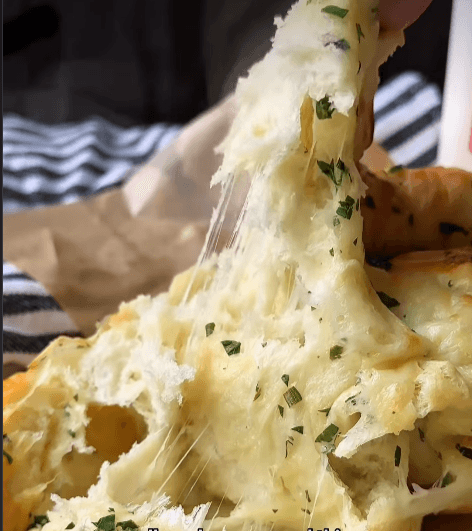
5. Garlic Pull Apart Bread
Credit: @eatatmaudes
Make or buy a simple enriched dough. After the first rise, roll into a rectangle and brush with garlic butter made from softened butter, minced garlic, parsley, and salt. Stack the layers, cut into strips, and stand upright in a buttered loaf pan. Let rise until puffy.
Bake at 375°F for 25 to 30 minutes until golden. Pull apart at the table and watch it disappear. It is one of the most crowd-pleasing breads I make and genuinely difficult to stop eating once you start.
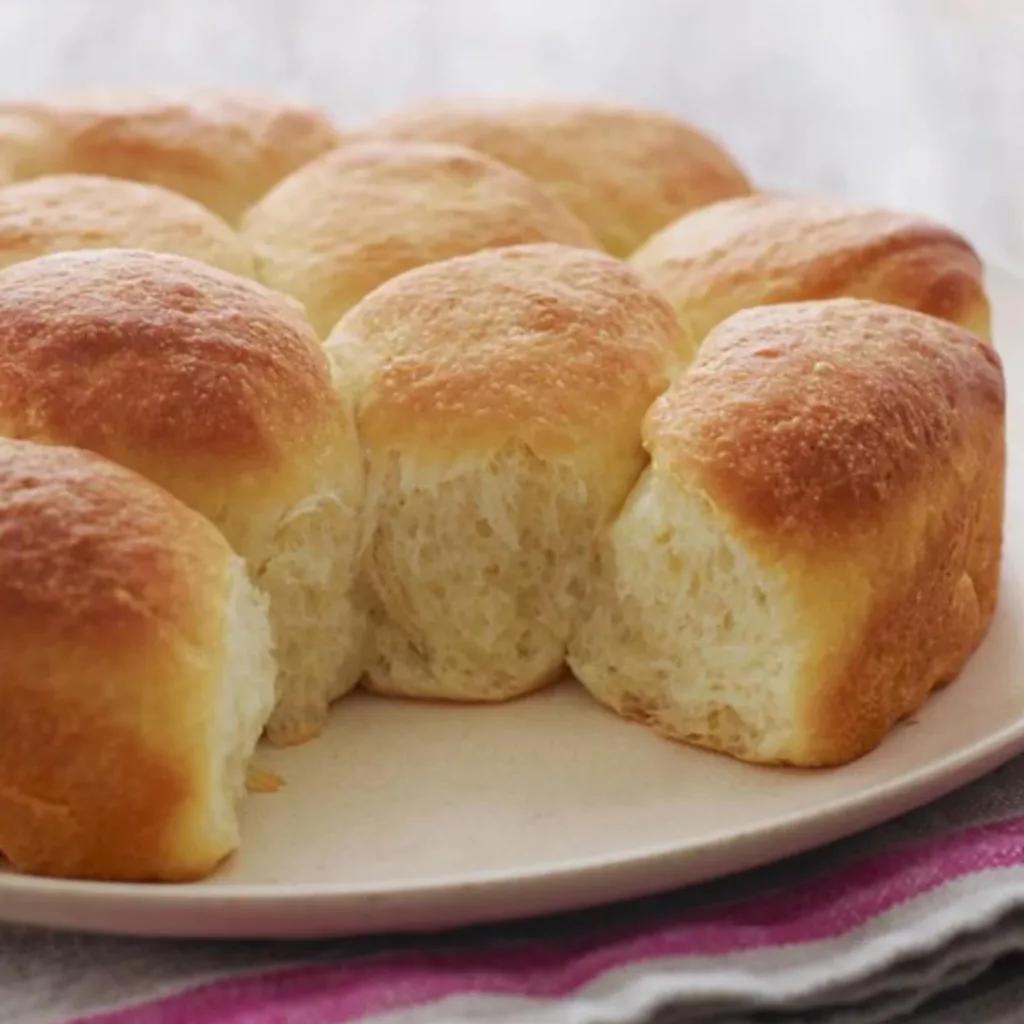
6. Soft Dinner Rolls
Credit: @onceuponachef
Make an enriched dough with flour, yeast, sugar, salt, butter, eggs, and warm milk. Let rise until doubled, divide into twelve pieces, and roll into smooth balls. Arrange in a buttered dish so they are just touching.
Let rise until puffy, then bake at 375°F for 18 to 20 minutes until golden. Brush immediately with melted butter. The butter soaks into the hot rolls and keeps them impossibly soft. Make these for Thanksgiving and the pan will be empty before dinner is served.
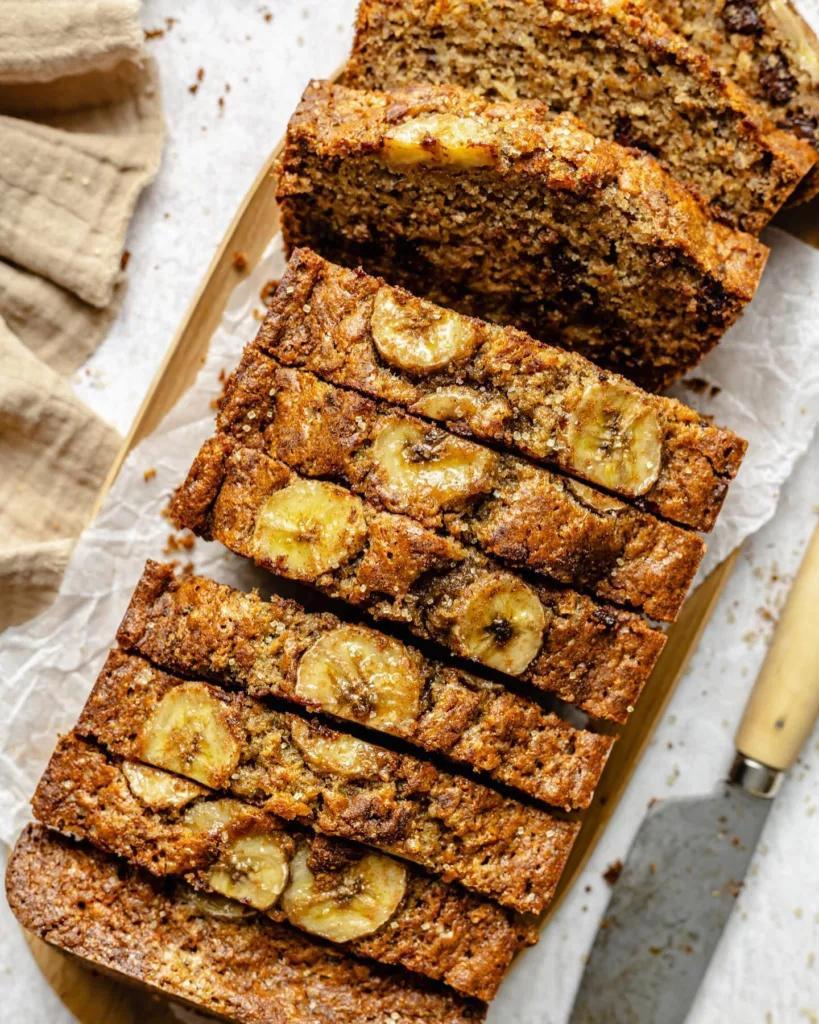
7. Banana Bread
Credit: @gimmedelicious
Mash three very ripe bananas and combine with brown butter, brown sugar, eggs, sour cream, and vanilla. Fold in flour, baking soda, cinnamon, and salt until just combined. Do not overmix. Bake at 350°F for 55 to 65 minutes.
The browned butter adds a depth plain melted butter cannot match. Cool for 15 minutes in the pan before turning out. Day-two banana bread is better than day-one and I say that from experience every single time I make it.
8. Pumpkin Bread
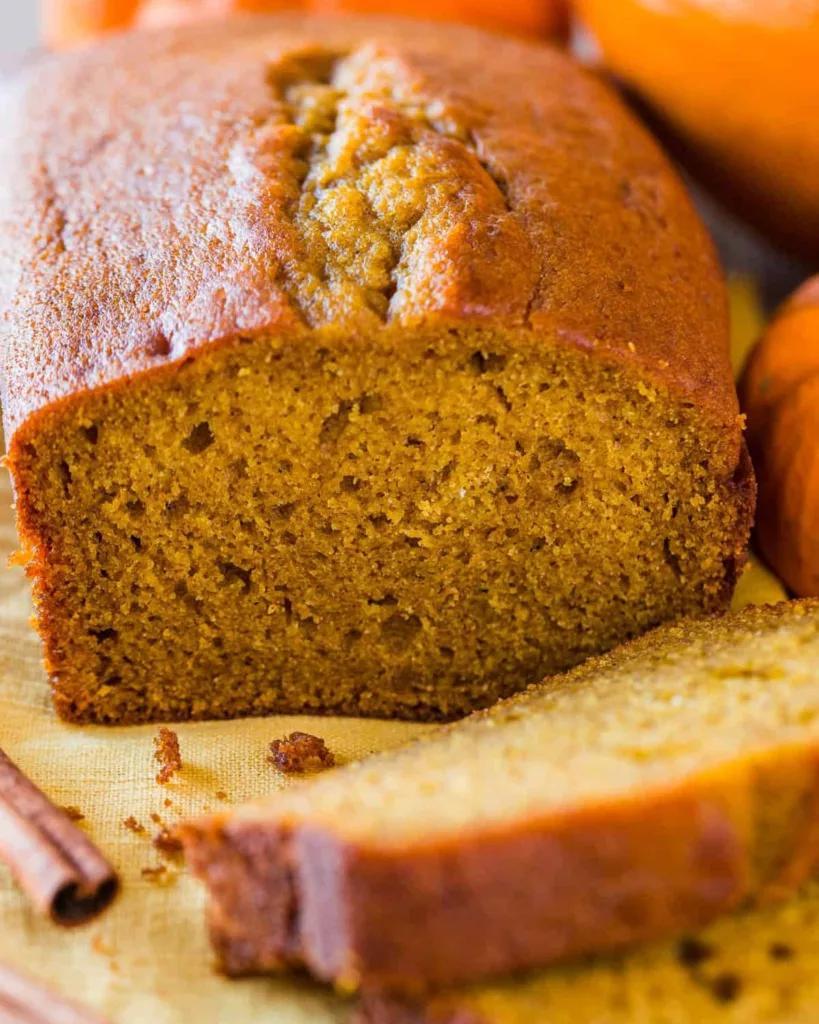
Credit: @natashaskitchen
Combine pumpkin puree, oil, brown sugar, eggs, and sour cream. Fold in flour, baking soda, cinnamon, ginger, nutmeg, allspice, and salt. Pour into a greased loaf pan and bake at 350°F for 60 to 70 minutes until a toothpick comes out clean.
Use pure pumpkin puree, not pumpkin pie filling. The spice blend is what makes this bread taste like autumn and it should be generous, not timid. Scatter turbinado sugar over the top before baking for a crackling crust that adds texture and a little sparkle to every slice.
9. Zucchini Bread
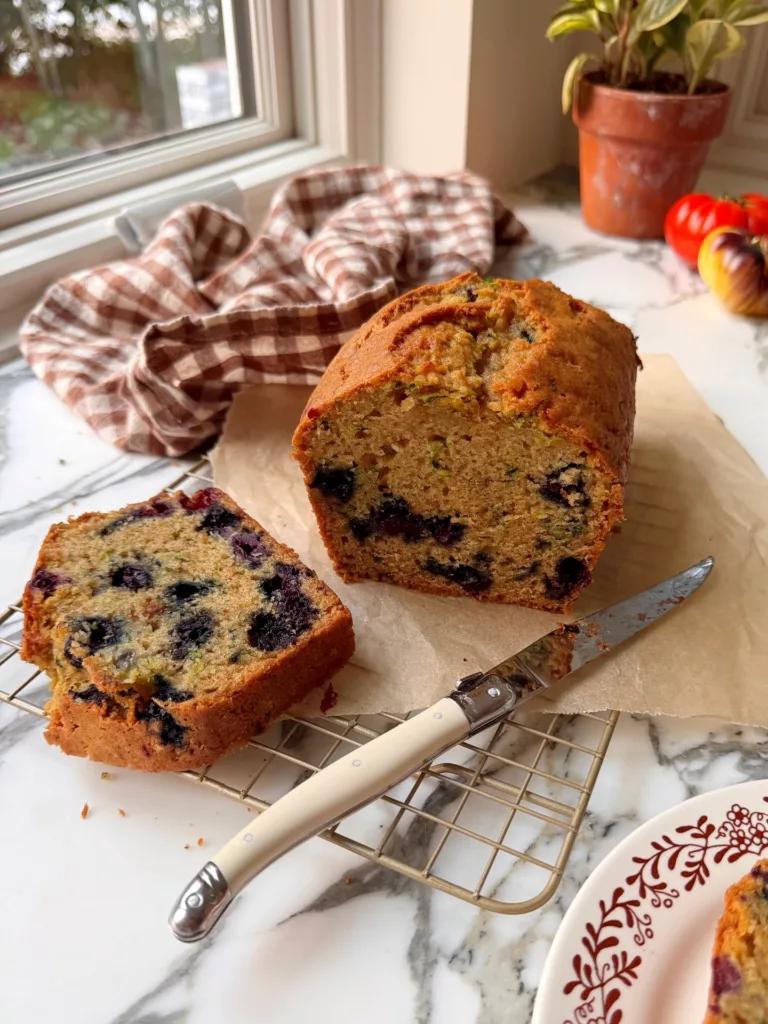
Credit: @loveandlemons
Grate two medium zucchini and squeeze out every bit of moisture using a clean kitchen towel. This step is not optional. Combine with oil, eggs, sugar, and vanilla. Fold in flour, baking soda, cinnamon, nutmeg, and salt. Fold in toasted walnuts if you like them.
The moisture you remove from the zucchini is what determines the texture of the finished loaf. Wet zucchini produces a gummy, dense bread. Properly dried zucchini produces a bread that is moist but structured and slices cleanly. It is one of the best ways to use a garden surplus.
10. Cinnamon Swirl Bread
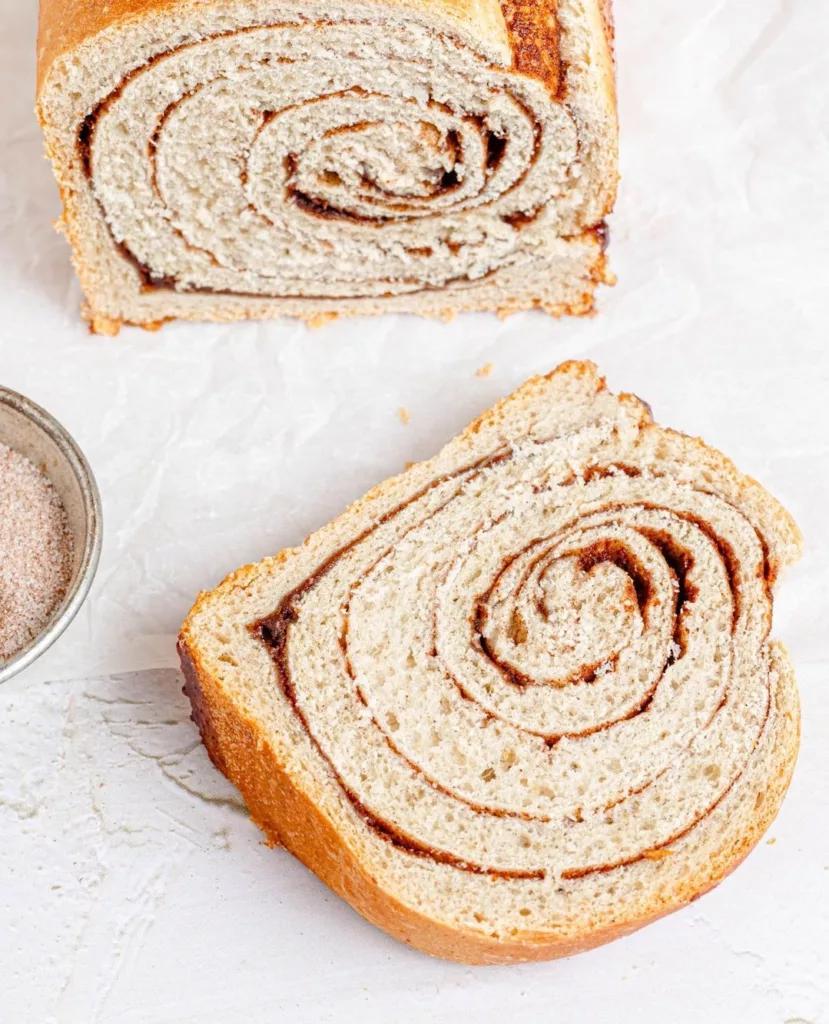
Credit: @the.practical.kitchen
Make a standard enriched dough and let it rise once. Roll into a rectangle, spread with softened butter, cinnamon, and brown sugar. Roll tightly, pinch the seam, and place in a buttered loaf pan. Let rise until the dough crowns above the rim.
Bake at 350°F for 30 to 35 minutes until golden. The cinnamon sugar bakes into caramelized ribbons and the loaf smells incredible in the oven. Slice thick and eat plain, toasted with butter, or as French toast. All three are correct.
11. Sourdough Starter and Basic Loaf
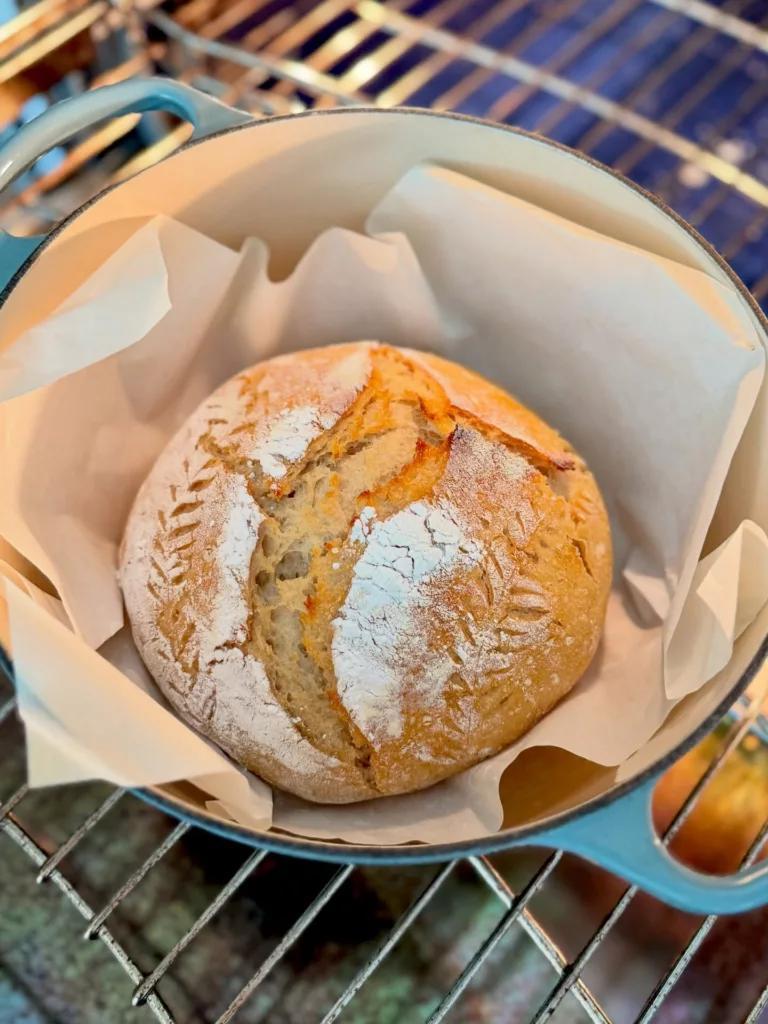
Credit: @jessica_gavin
Feed equal parts starter, water, and flour and let it bubble and double before using. Mix with more flour, water, and salt. Perform a series of stretch and folds over four hours, shape, and cold proof overnight in the refrigerator.
Bake in a preheated Dutch oven at 500°F covered for 20 minutes, then uncovered at 450°F for 20 more. Sourdough takes more time and attention than any other bread on this list and what it gives back is a loaf with complex flavor, chewy crumb, and a crust that shatters properly. It is worth learning.
12. Irish Soda Bread
Credit: @breadtopia
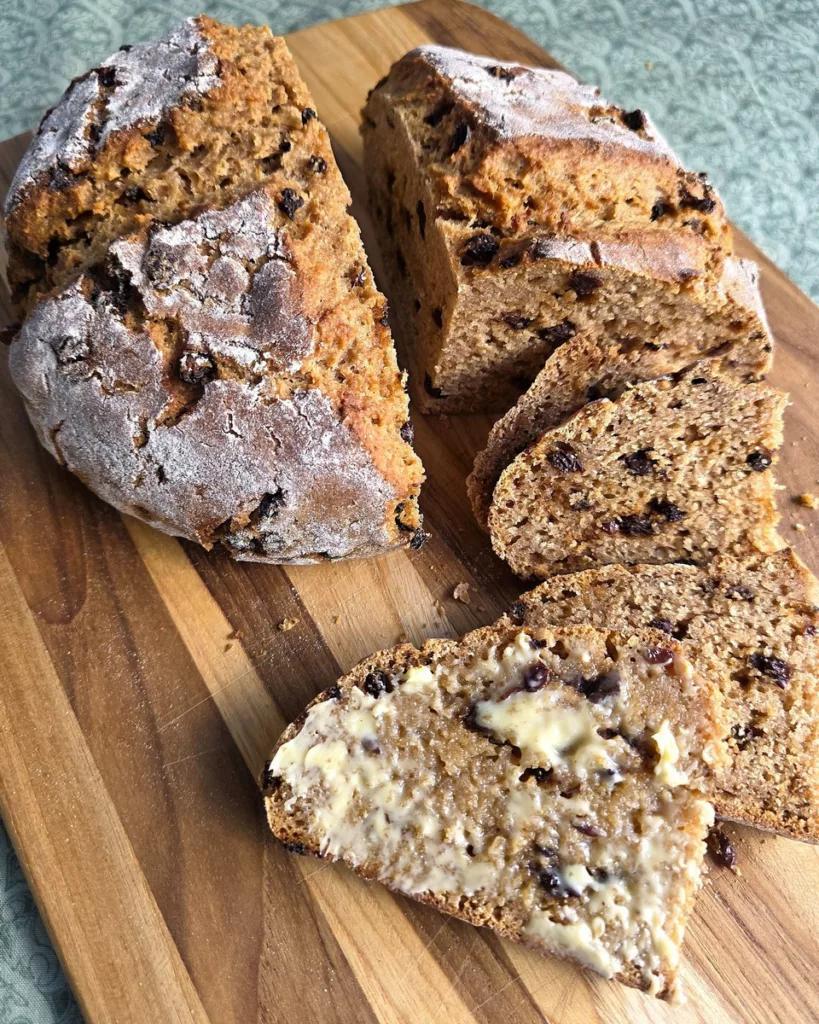
Combine flour, baking soda, salt, and buttermilk. Stir until just combined, turn onto a floured surface, form into a round, cut a cross on top, and bake at 425°F for 30 to 35 minutes until golden and hollow-sounding.
No yeast, no rising time, no kneading. The buttermilk reacts with the baking soda and the bread rises as it bakes. Serve with good butter the day it is made. This is the recipe I make when I need bread and have no time to wait for it.
13. Brioche
Credit: @brioche_amsterdam
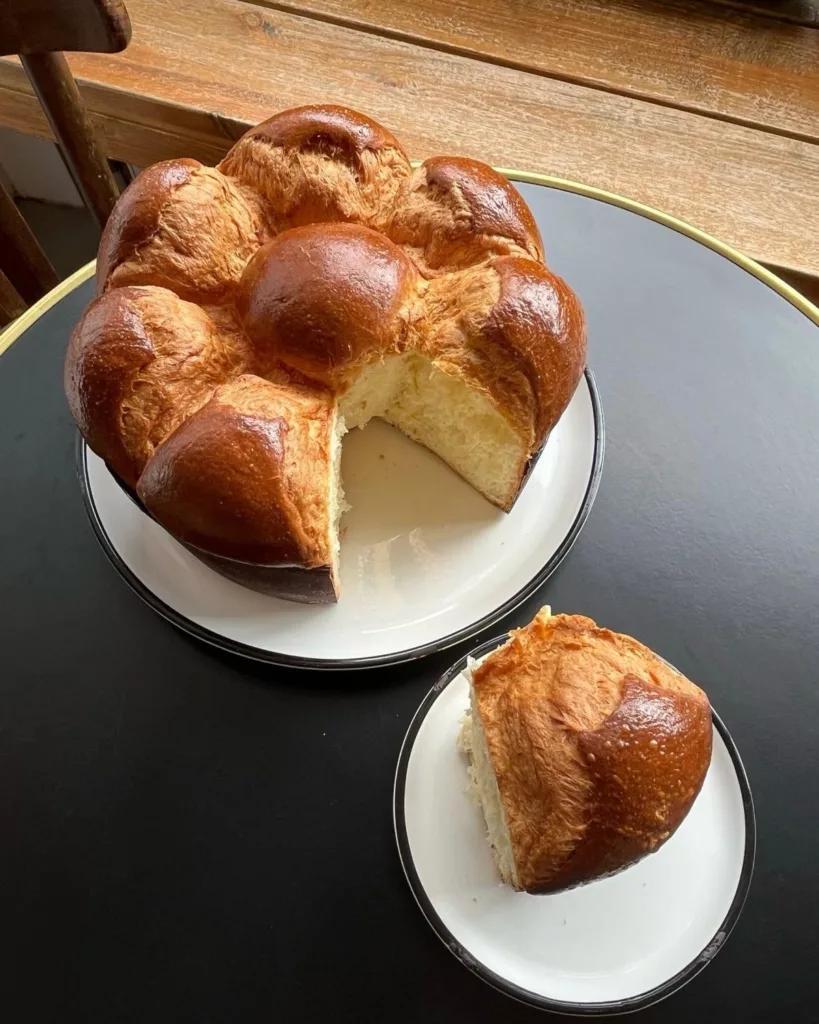
Combine flour, sugar, salt, eggs, yeast, and a small amount of warm milk. Knead for 10 minutes, then add cold butter piece by piece until fully incorporated and the dough is smooth and glossy. Let rise overnight in the refrigerator, shape, and bake at 375°F.
The cold butter incorporation is the technique that makes brioche brioche. It is time-consuming and worth every minute. The finished bread is rich, tender, and slightly sweet. It makes extraordinary French toast, excellent hamburger buns, and the best bread pudding base you will ever use.
14. Cornbread
Credit: @tastesoflizzyt
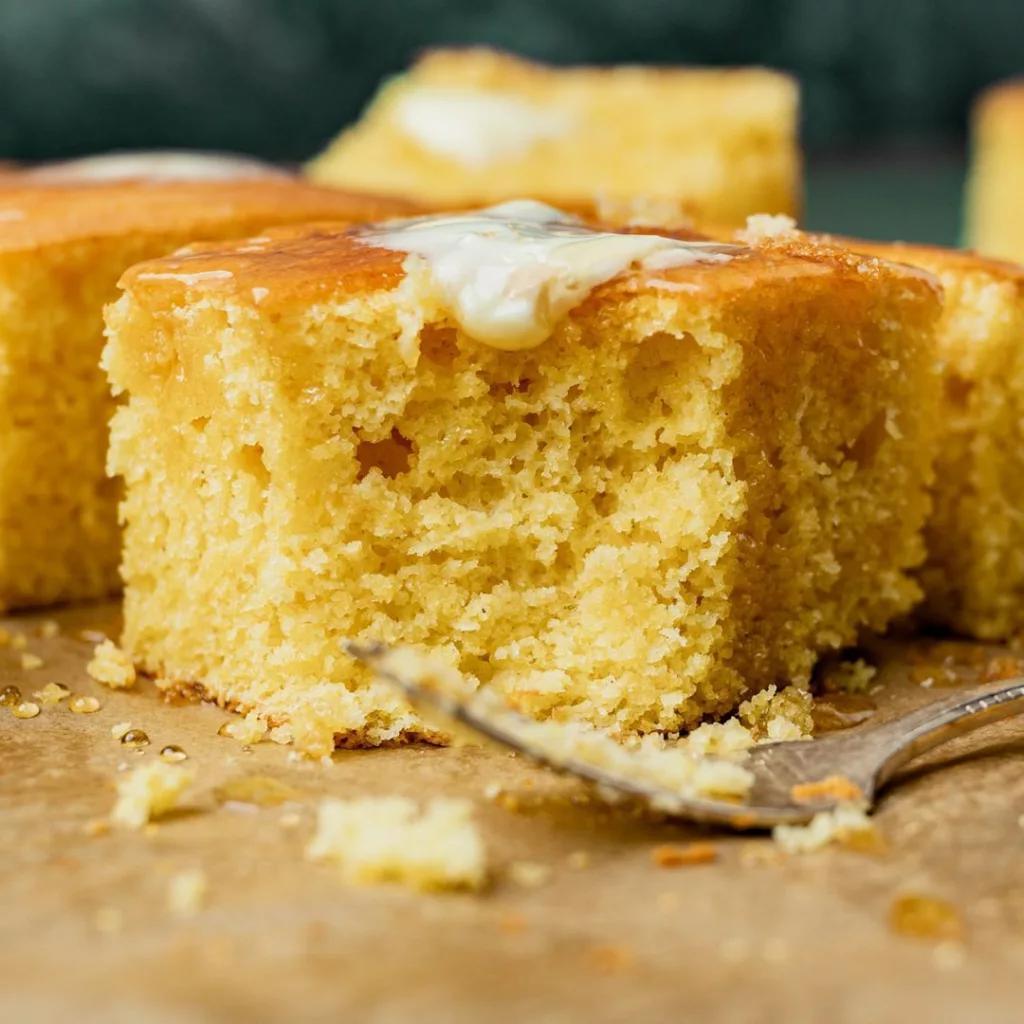
Whisk together cornmeal, flour, sugar, baking powder, and salt. Add melted butter, buttermilk, and eggs. Pour into a well-buttered cast iron skillet and bake at 400°F for 20 to 25 minutes until golden and a toothpick comes out clean.
The cast iron skillet gives the cornbread a crispy, deeply golden bottom crust that a regular baking pan cannot replicate. Let it rest for 5 minutes before slicing. Serve warm alongside soup, chili, or anything that benefits from something warm and slightly sweet on the side.
15. Pretzel Rolls
Credit: @parsonsbakery
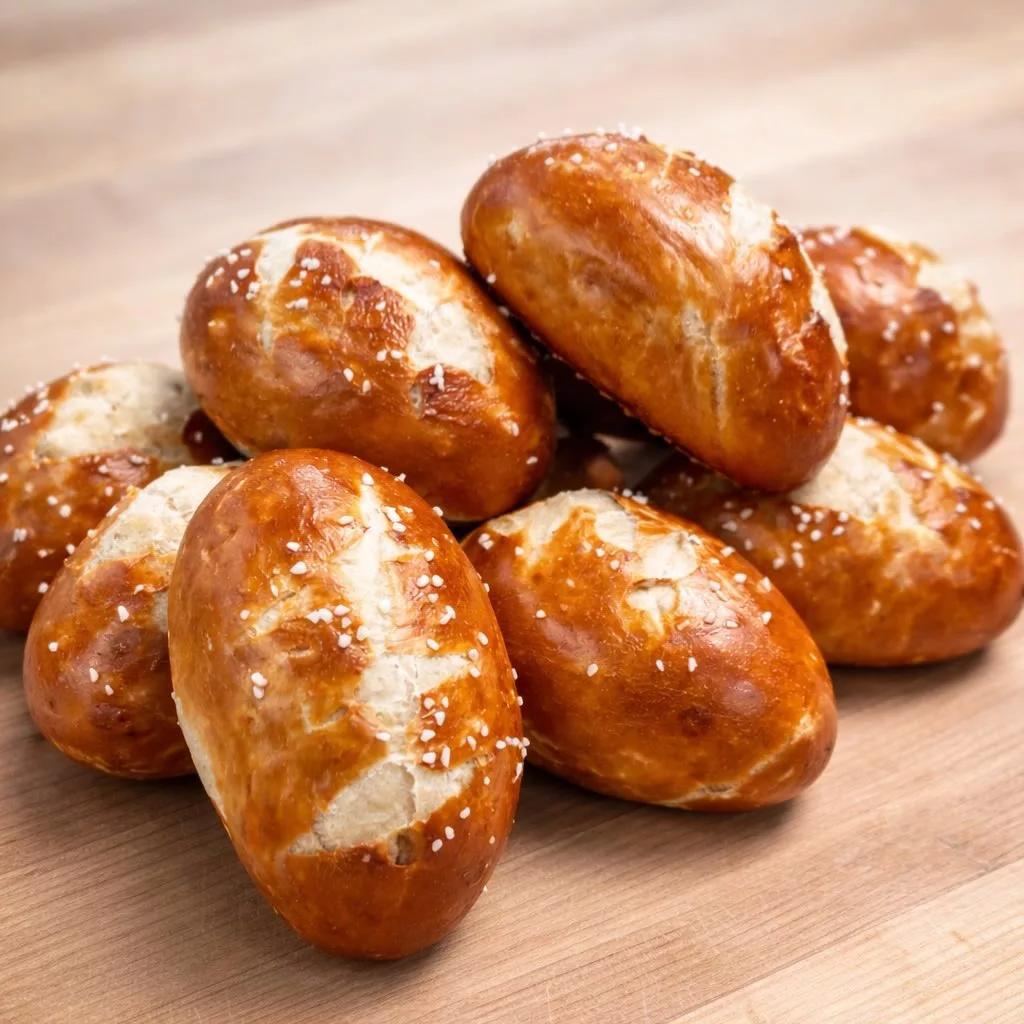
Make a soft pretzel dough with flour, yeast, sugar, salt, butter, and warm water. After rising, divide into rolls and dip each briefly in a baking soda bath. Sprinkle with coarse salt and bake at 425°F for 15 to 18 minutes.
The baking soda bath gives the rolls their mahogany color and chewy crust. It sounds strange and it is completely necessary. Serve warm with mustard for dipping or use as hamburger buns. They are deeply satisfying and more impressive than the effort required.
16. English Muffins
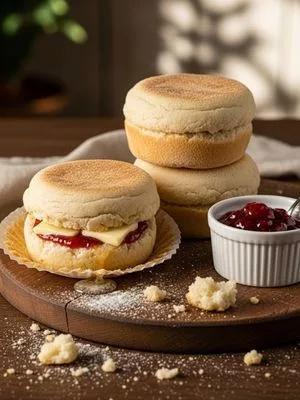
Cook small rounds of yeasted dough on a dry griddle over medium-low heat for 7 to 8 minutes per side until deeply golden and cooked through. Split with a fork rather than a knife to preserve the signature rough texture that creates all those nooks and crannies.
Toast until crispy and serve with butter and jam. The fork-split texture is what holds the butter and the flavor in a way that a knife-cut muffin cannot. Once you have made English muffins at home, the store-bought version will seem a little sad by comparison.
17. Flatbread

Credit: @glovictoria
Combine flour, olive oil, salt, baking powder, and enough warm water to make a soft dough. Divide into portions, roll very thin, and cook in a dry skillet over high heat for 1 to 2 minutes per side until blistered.
No yeast, no rising time, done in 20 minutes. Serve warm with hummus, use as a pizza base, or eat alongside soup. The charred spots are flavor. They are what make homemade flatbread taste completely different from the packaged kind.
18. Pita Bread
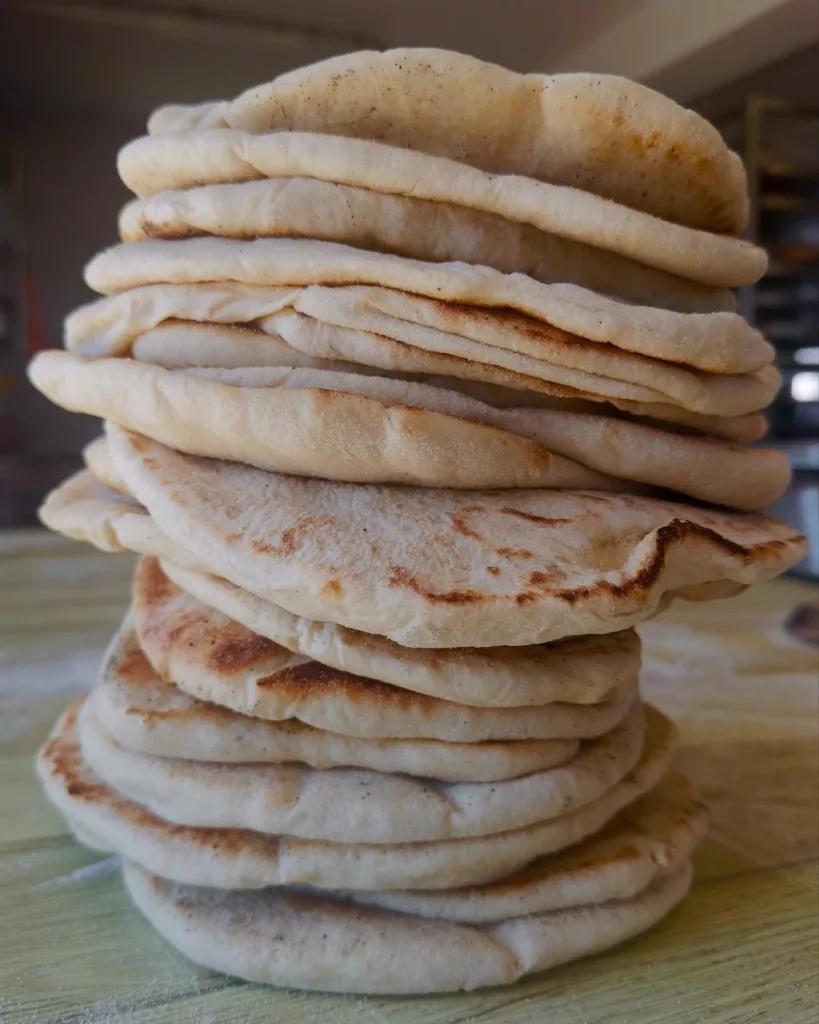
Credit: @dozero_culturaviva
Make a simple yeasted dough with flour, yeast, salt, olive oil, and warm water. After rising, divide and roll into thin rounds. Bake on a preheated baking stone at 500°F for 3 to 4 minutes until the pita puffs dramatically.
The high heat causes the pita to puff and create its pocket. If the oven is not hot enough the bread will not puff. Serve immediately while warm and pliable. Fresh pita is so much better than anything from a package that the comparison is almost unfair.
The Loaf That Changes Everything
Every baker has the one loaf that made them understand what homemade bread actually is. For me it was the no-knead loaf. For you it might be the focaccia or the dinner rolls or the sourdough.
Start somewhere on this list. Make it twice. Then pick the next one. Bread baking is one of the most rewarding things a home cook can learn and it costs almost nothing to begin.