
Taste Japan at Home: 14 Must-Try Meat Dishes
Maggie Collins · 15 novembre 2026
Japanese cooking changed how I think about meat. Not in a way I can trace to a single moment but gradually, through years of eating at Japanese restaurants and then trying to understand at home what made each dish taste the way it did.
The precision, the restraint, the way each ingredient is allowed to be fully itself. I found that cooking Japanese meat dishes required me to slow down and pay attention in a way that most weeknight cooking does not. These fourteen recipes are the ones that rewarded that attention most and the ones I keep coming back to.
1. Gyudon (Beef Rice Bowl)
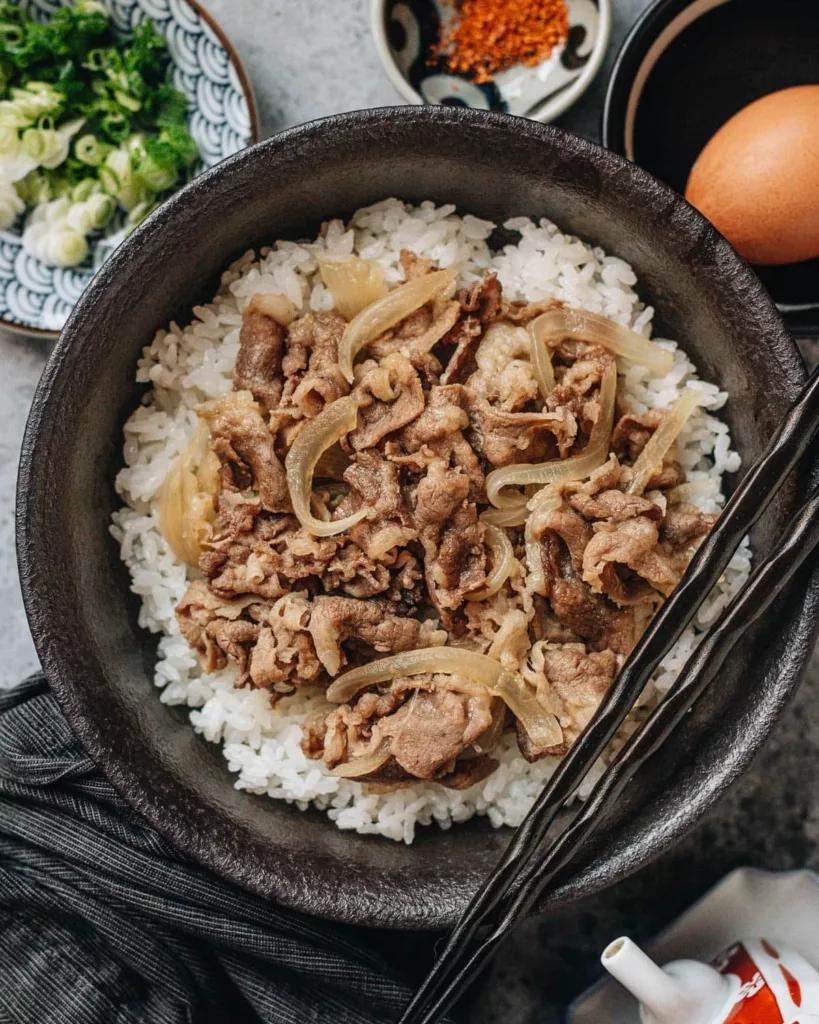
Credit: @omnivorescookbook
Simmer thinly sliced beef in a sauce of dashi, soy sauce, mirin, and sugar until the beef is tender and the sauce has reduced and caramelized slightly. Serve over steamed short-grain Japanese rice topped with pickled ginger and a soft-poached egg cracked over the top.
The sauce is sweet and savory and deeply umami and the soft egg when broken creates a rich, silky addition to every bite of rice and beef. This is one of the most popular fast food dishes in Japan for good reason and the homemade version takes only 20 minutes.
2. Karaage (Japanese Fried Chicken)
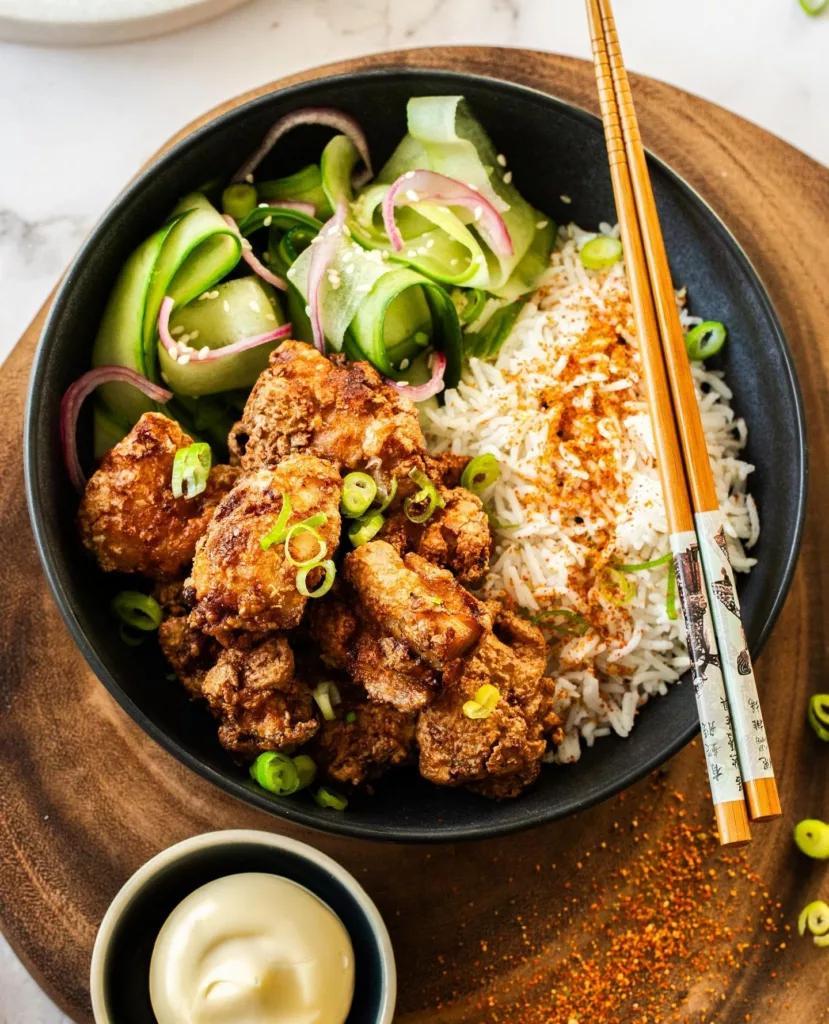
Credit: @sugarsaltmagic
Marinate bite-sized chicken thigh pieces in soy sauce, sake, fresh ginger, and garlic for at least 30 minutes. Coat in potato starch and deep fry in oil at 350°F in two batches, resting 5 minutes between fry sessions for maximum crispiness.
The double fry is what gives karaage its extraordinary crunch. The first fry cooks the chicken through and the second fry at slightly higher heat creates the crackling crust that stays crispy long after it comes out of the oil. Serve with Japanese mayonnaise and lemon wedges.
3. Yakitori
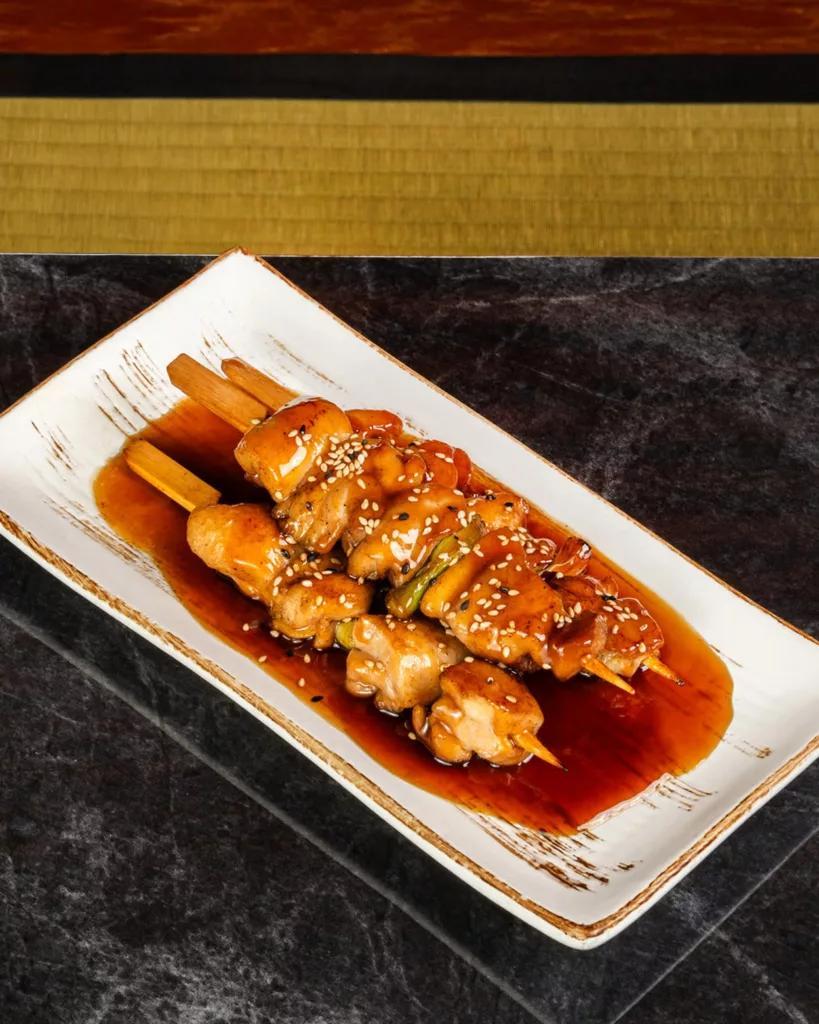
Credit: @maguro.london
Thread chicken thigh pieces and scallion segments alternately onto bamboo skewers. Grill over high heat, basting with a tare sauce made from soy sauce, mirin, sake, and sugar reduced until slightly thick. Turn and baste repeatedly until deeply glazed and slightly charred.
The tare builds on the chicken with each basting and the slight char at the edges is part of the intended flavor. Serve immediately straight from the grill. Yakitori is one of the most purely satisfying things to cook over fire and it is fast enough to make any night of the week.
4. Tonkatsu (Pork Cutlet)
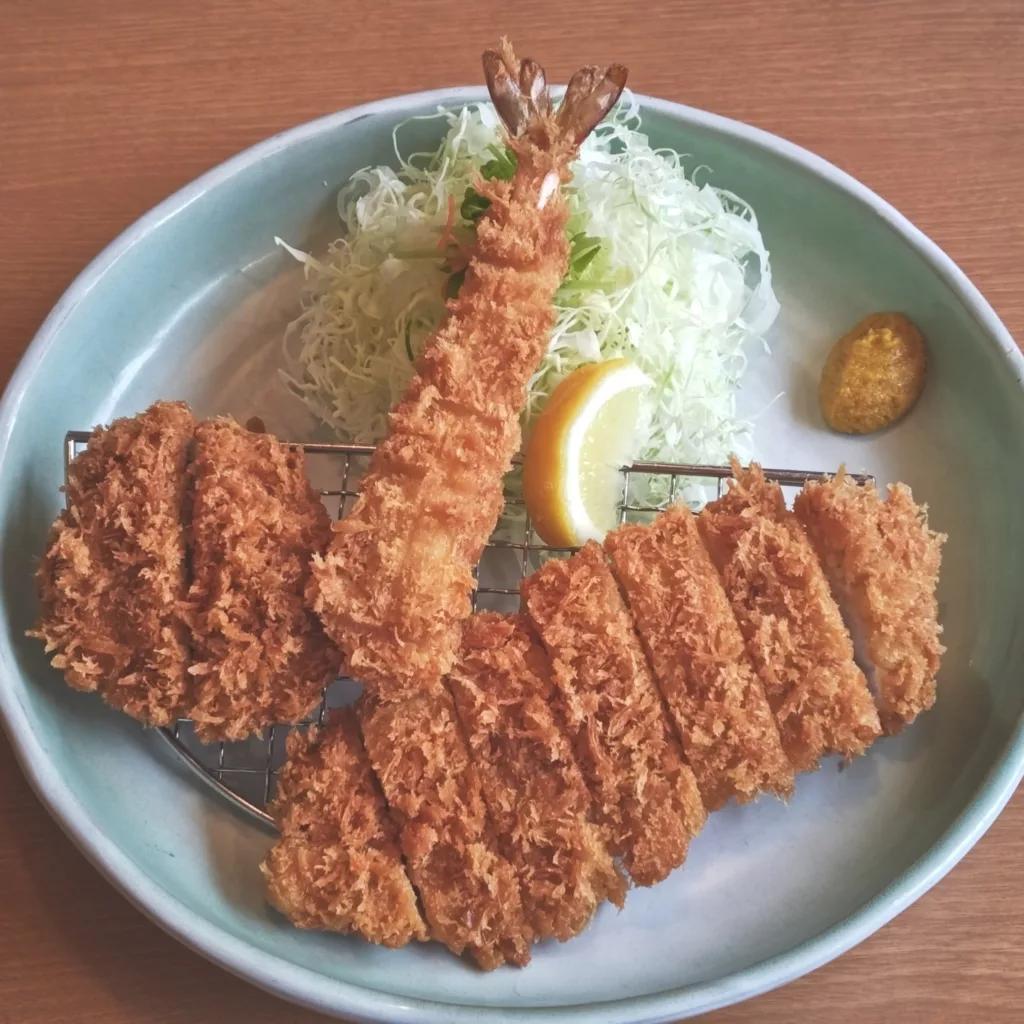
Credit: @plazajapan
Pound pork loin cutlets to an even thickness. Season with salt and pepper, dredge in flour, dip in egg, and press into Japanese panko breadcrumbs. Deep fry at 340°F for 4 to 5 minutes until deeply golden and cooked through.
Drain on a wire rack and slice into strips. Serve over shredded cabbage with tonkatsu sauce and Japanese mustard. The panko coating stays extraordinarily crispy because of the larger airier crumbs and it is the reason tonkatsu looks and sounds the way it does when you bite into it.
5. Nikujaga (Meat and Potato Stew)
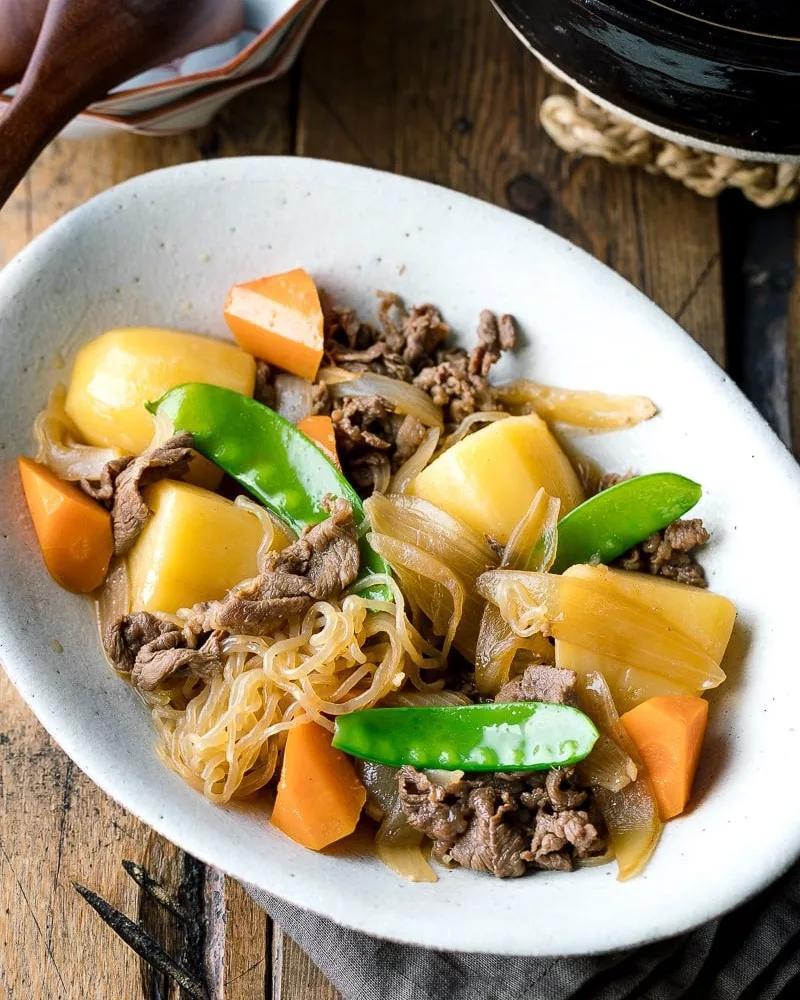
Credit: @justonecookbook
Sauté sliced beef with dashi, soy sauce, mirin, and sugar. Add quartered onions, potatoes, and carrots. Simmer for 20 minutes until the vegetables are completely tender and the broth has reduced into a glossy, sweet and savory sauce that coats everything in the pot.
Nikujaga is Japanese comfort food in the truest sense, sweet, savory, and deeply warming. It is a dish that home cooks make rather than restaurants and it tastes that way in the best possible sense. Add glass noodles or snap peas in the last 5 minutes for extra texture.
6. Gyoza (Pan-Fried Dumplings)
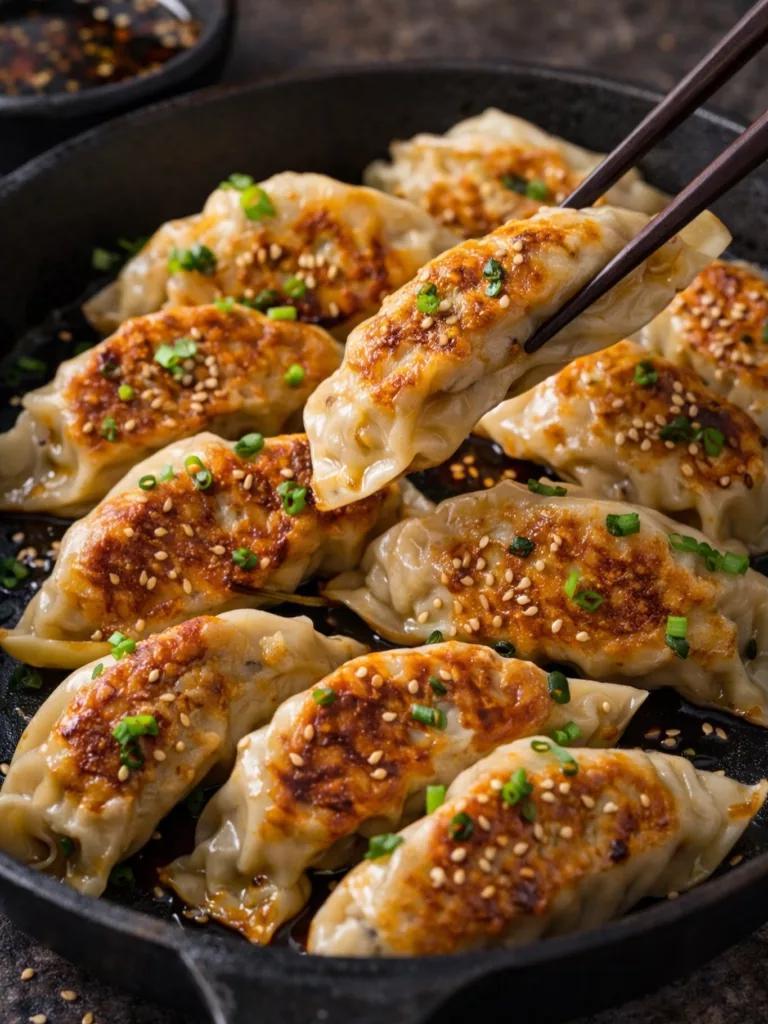
Credit: mspinaq
Combine ground pork with finely shredded cabbage squeezed completely dry, garlic, ginger, soy sauce, sesame oil, and scallion. Fill round gyoza wrappers, fold and pleat the edges, and cook flat-side down in a lightly oiled pan. Add water, cover, and steam until the liquid evaporates.
Remove the lid and cook until the bottoms are deeply golden and crispy. The pleating technique takes practice and the fourth tray will look considerably better than the first. The combination of the crispy fried bottom and the steamed tender top is what makes a properly cooked gyoza extraordinary.
7. Chashu Pork (Braised Pork Belly)
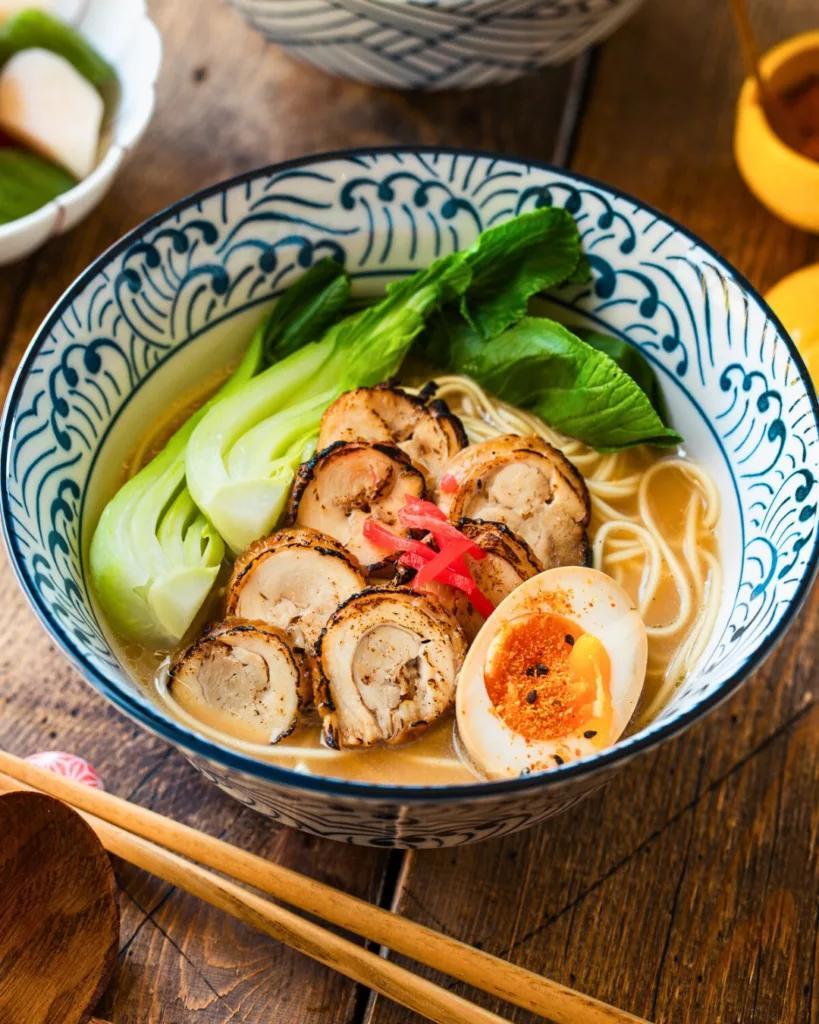
Credit: @justonecookbook
Roll a piece of pork belly tightly and secure with kitchen twine. Sear until golden on all sides. Braise in a mixture of soy sauce, sake, mirin, and sugar in a covered pot for two hours until completely tender and the broth has reduced into a glossy, intensely flavored sauce.
Chill the pork completely before slicing so it holds its spiral shape cleanly. Serve over ramen or rice with the braising liquid drizzled over. The spiral cross-section of chashu over a bowl of ramen is one of the most beautiful presentations in Japanese home cooking.
8. Teriyaki Chicken
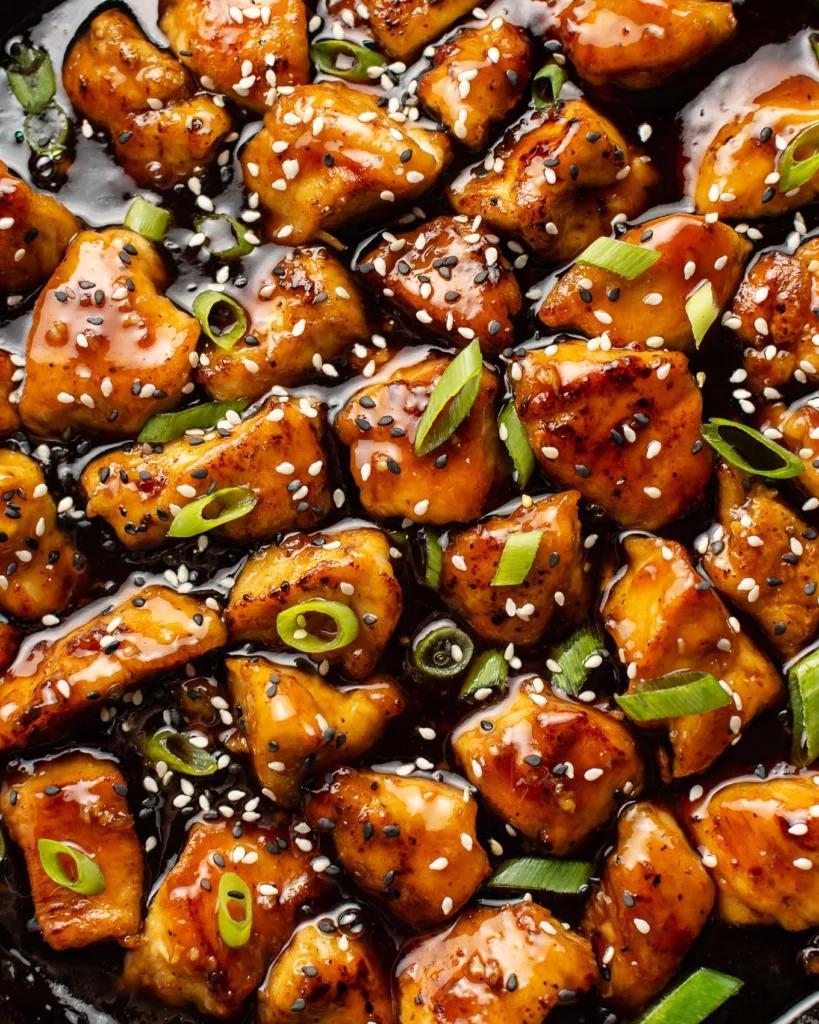
Credit: saltandlavender
Make a homemade teriyaki sauce by simmering soy sauce, mirin, sake, and sugar until slightly thickened. Sear chicken thighs skin-side down until the skin is golden. Flip and add the sauce, basting continuously as it reduces and glazes the chicken.
The homemade sauce is noticeably different from bottled. It is cleaner, less sweet, and has depth from the sake and mirin. Serve over rice with sesame seeds and sliced scallion. This is one of my most-made Japanese recipes.
9. Katsu Curry
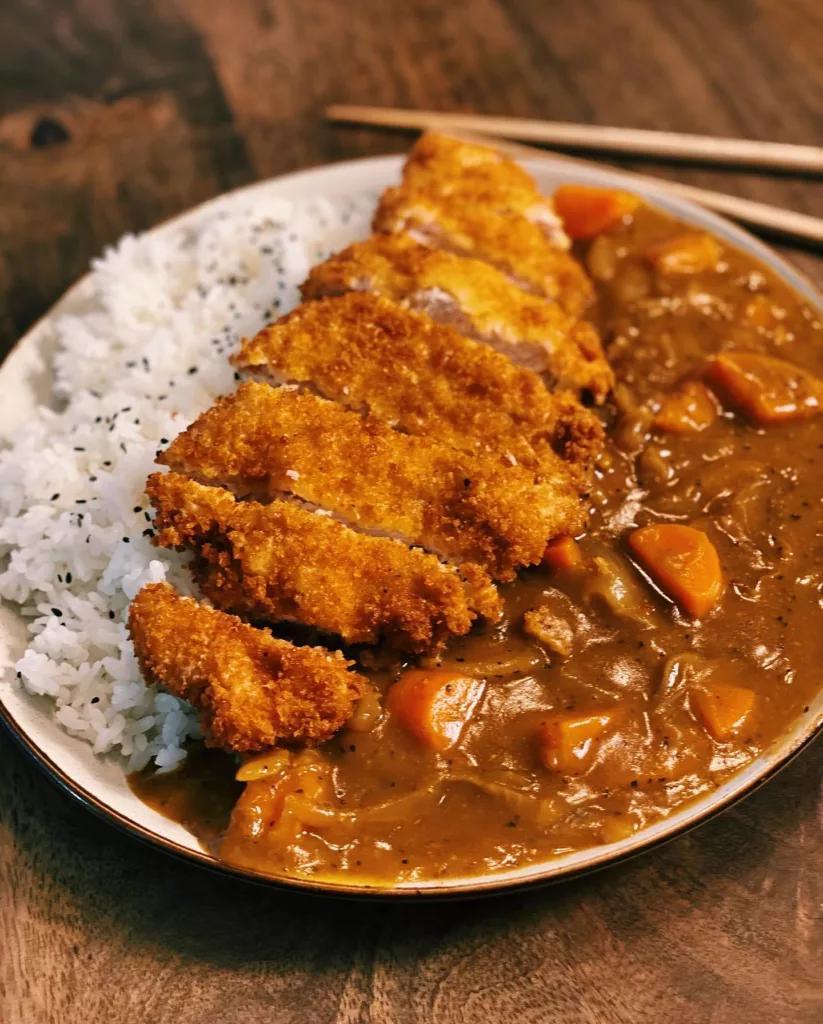
Credit: @tiffy.cooks
Make or buy Japanese curry sauce, mild, sweet, and aromatic with a thick gravy consistency. Slice tonkatsu and arrange over steamed rice with the curry sauce poured alongside and slightly overlapping the pork.
Japanese curry is nothing like Indian curry and is a complete category of food on its own. The crispy panko pork with the rich, slightly sweet sauce over rice is one of the most satisfying combinations in Japanese comfort food. Make a large batch because it reheats beautifully.
10. Sukiyaki
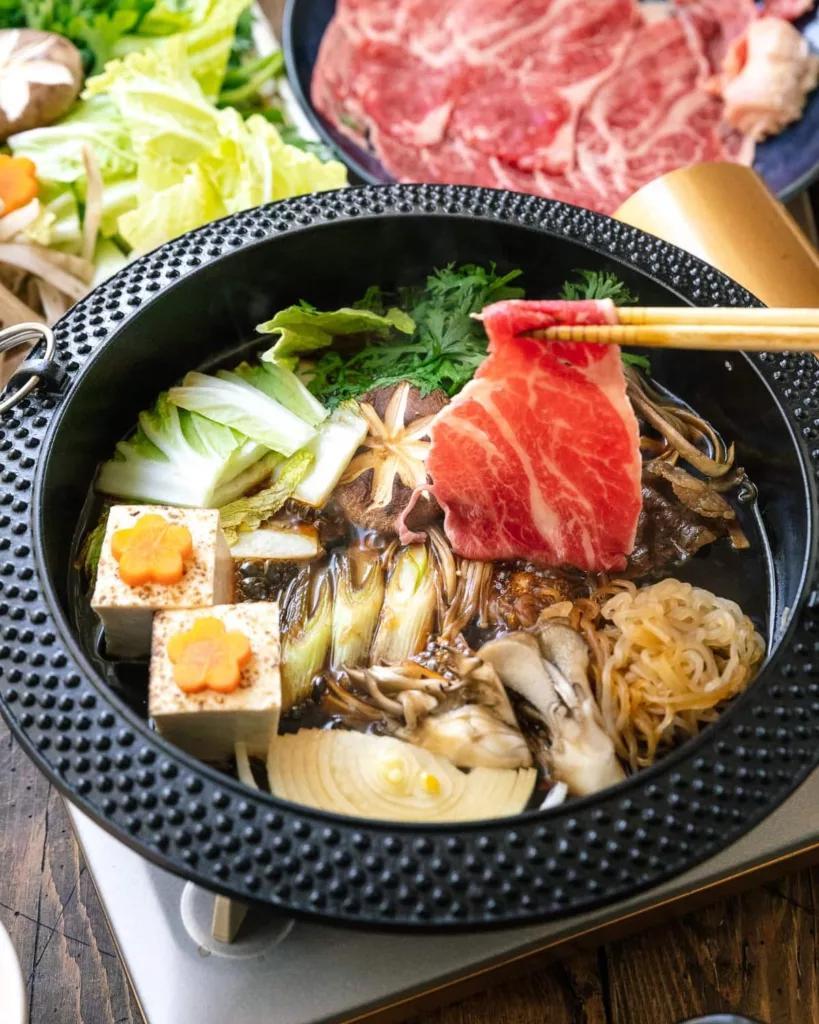
Credit: @justonecookbook
Arrange thinly sliced beef, tofu, shirataki noodles, napa cabbage, mushrooms, and scallion in a wide pan. Pour in soy sauce, mirin, sake, and sugar. Cook at the table, each person dipping cooked pieces into beaten raw egg before eating.
The raw egg dip creates a creamy rich coating over the hot beef that is one of the most distinctive experiences in Japanese cooking. Cook in stages and replenish as you eat. Sukiyaki is a shared communal meal and it is best appreciated that way.
11. Miso Glazed Salmon
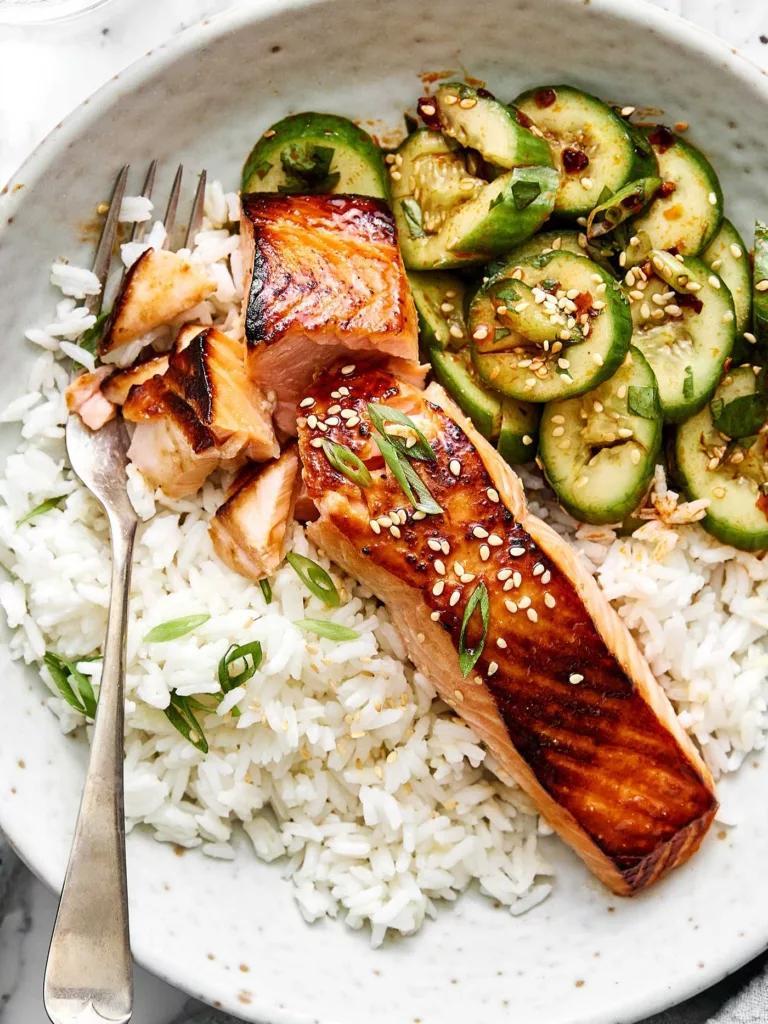
Credit: downshiftology
Whisk white miso, mirin, sake, and sugar. Spread over salmon fillets and marinate for at least 24 hours, up to 3 days. Wipe off most of the marinade and broil for 10 to 12 minutes until deeply caramelized.
The longer the marinade the deeper the flavor. Three days produces something extraordinary. The caramelized miso glaze is sweet, salty, and deeply savory and the salmon stays impossibly tender. This is the famous Nobu dish and it earns every word of its reputation.
12. Tori Soboro (Ground Chicken Rice Bowl)
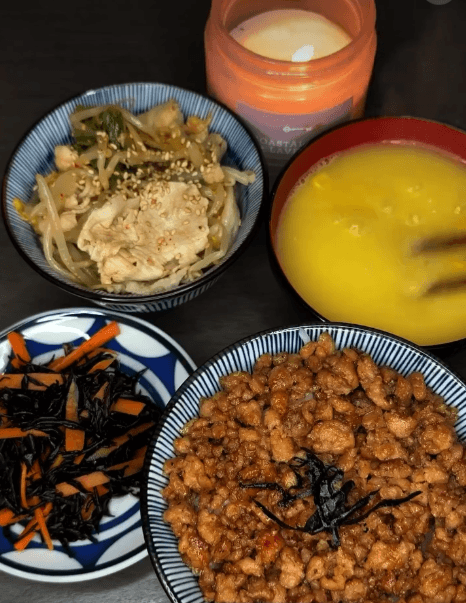
Credit: @kazuumafoo312
Cook ground chicken with sake, soy sauce, mirin, sugar, and fresh ginger until the liquid has completely evaporated and the meat is crumbly and deeply glazed. Serve over rice alongside scrambled egg and blanched green beans in three separate sections.
The visual presentation of the three components over rice is a classic Japanese aesthetic. Each section maintains its own flavor and the combination when eaten together is more interesting than any one element alone. This is a simple, fast, and deeply satisfying bowl that takes 15 minutes from start to finish.
13. Beef Tataki
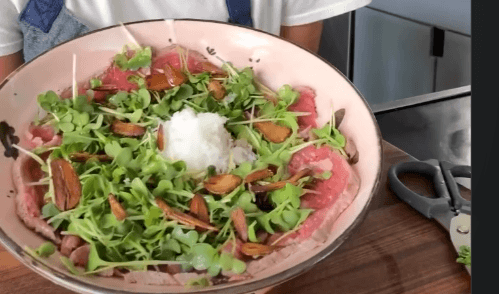
Credit: @sarahgavigan
Sear a whole piece of beef tenderloin in a screaming hot pan for 30 seconds per side until lightly cooked outside and raw in the center. Immediately submerge in ice water to stop the cooking.
Slice paper-thin and serve with ponzu dipping sauce. Top with grated daikon, sliced scallion, and fresh jalapeño. The contrast between the lightly cooked exterior and the raw interior is the point and it is exceptional with a quality piece of beef.
14. Hambagu (Japanese Hamburger Steak)
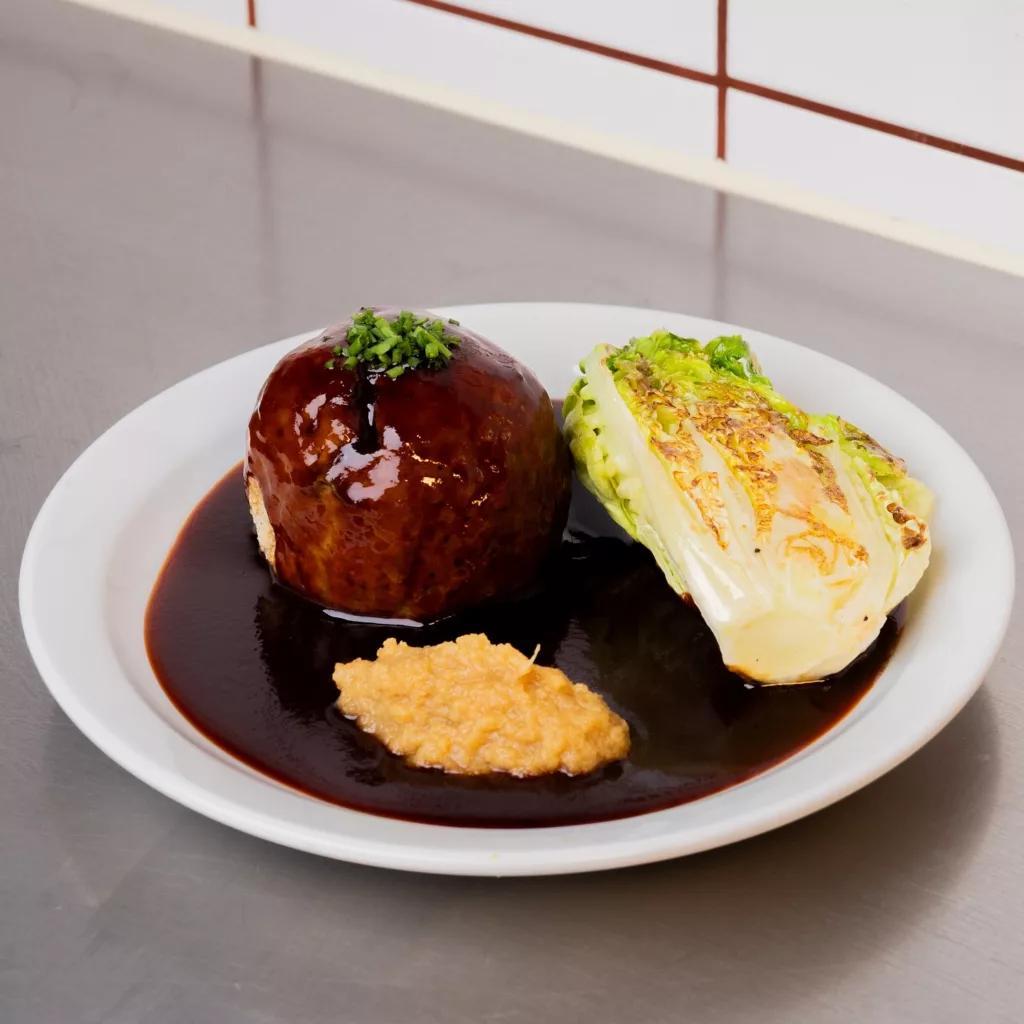
Credit: @onchu.brussels
Combine ground beef and pork with sautéed onion, milk-soaked breadcrumbs, egg, nutmeg, salt, and pepper. Form into oval patties and sear until golden. Add a mushroom sauce of soy sauce, mirin, sake, and butter and finish cooking covered.
The milk-soaked breadcrumbs and the beef-pork mix make hambagu extraordinarily tender. Serve with the mushroom sauce poured over, steamed rice, and a simple salad. This is Japanese home cooking at its most comforting and most complete.
Japanese Cooking Teaches You to Pay Attention
Every recipe on this list asks something specific of you, whether it is the patience for a long marinade, the precision of a paper-thin slice, or the control of a roux-free sauce that must reduce at exactly the right pace.
That attention is not a burden. It is what makes the finished dish what it is. Start with two or three recipes from this list and let the cooking teach you the rest.