
13 Korean Dishes That Taste Better Than Takeout!
Maggie Collins · 16 novembre 2026
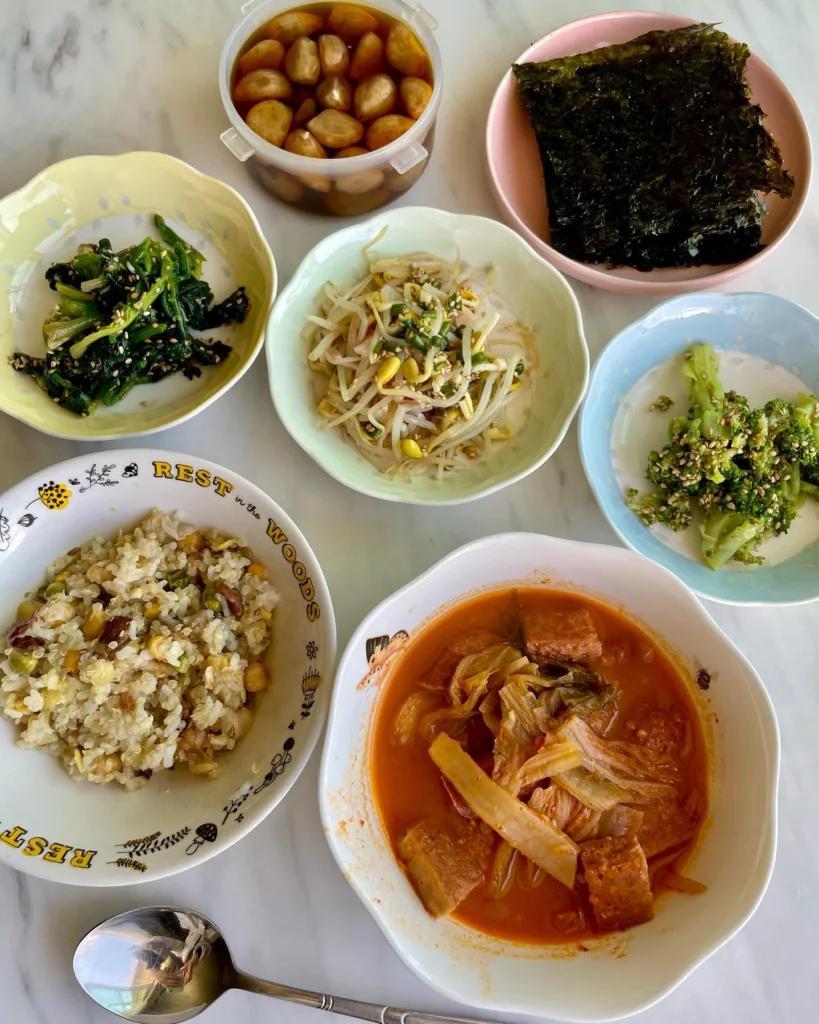
I found a small restaurant in Insadong on my second day in Seoul, the kind with plastic stools and a laminated menu and banchan arriving at the table before I had even ordered anything. Dish after dish of small, intensely flavored things that made the main course feel almost secondary.
Credit: @ahnestkitchen
Korean food hits differently when you eat it where it comes from. Bold, fermented, fiery, and deeply considered all at once. These 13 recipes bring that same energy straight into your kitchen.
1. Bibimbap
Credit: @carlsbadcravings
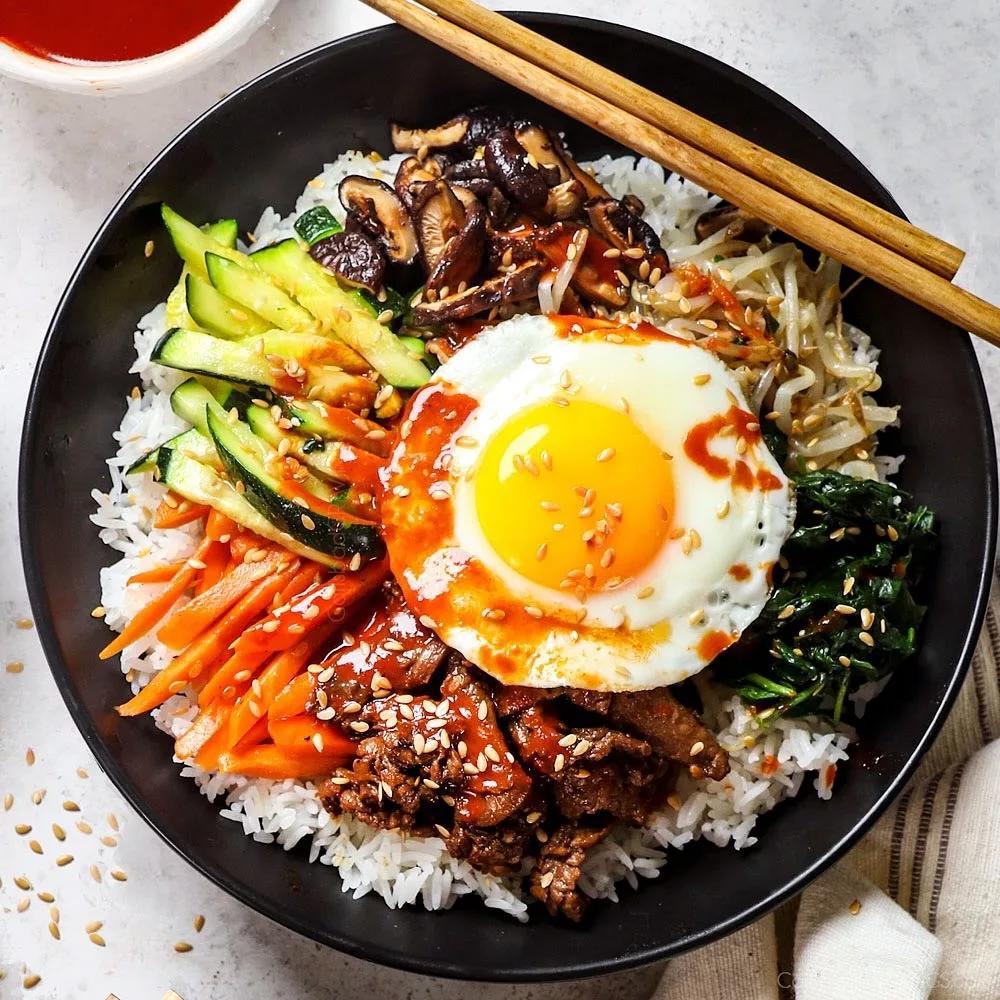
Steamed rice topped with individually seasoned vegetables, a fried egg, sliced beef or tofu, and a generous spoonful of gochujang, served in a hot stone bowl that crisps the rice at the bottom into something completely irresistible.
Mix everything together before eating. The gochujang spreads through the whole bowl and ties every element into one unified, deeply satisfying thing.
2. Bulgogi
Credit: @diningbykelly
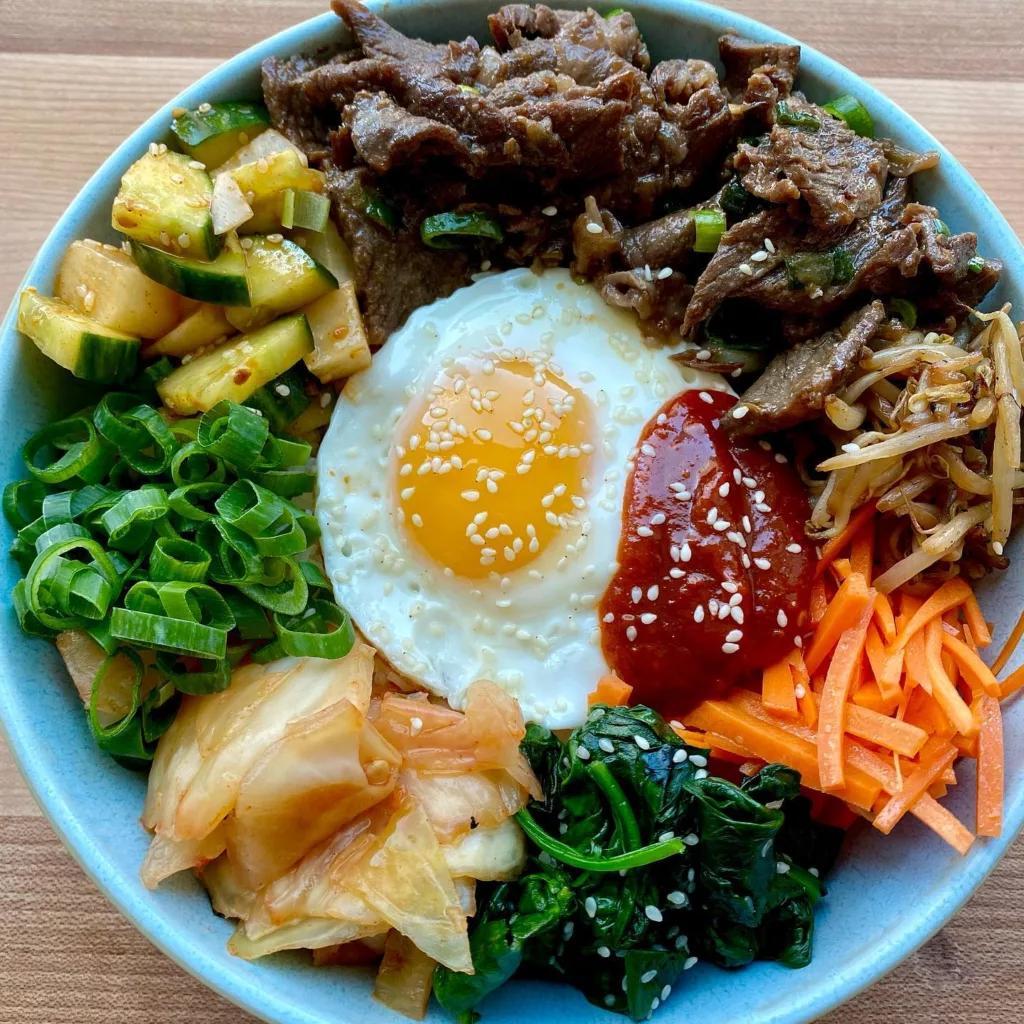
Thinly sliced beef marinated in soy sauce, sesame oil, garlic, ginger, pear or apple for tenderness, and sugar, grilled or pan-fried over high heat until the edges caramelize and the meat is just cooked through.
The fruit in the marinade is not optional. It breaks down the proteins and gives the beef a tenderness that nothing else replicates in quite the same way.
3. Dakgalbi (Spicy Stir-Fried Chicken)
Credit: @mykoreankitchen
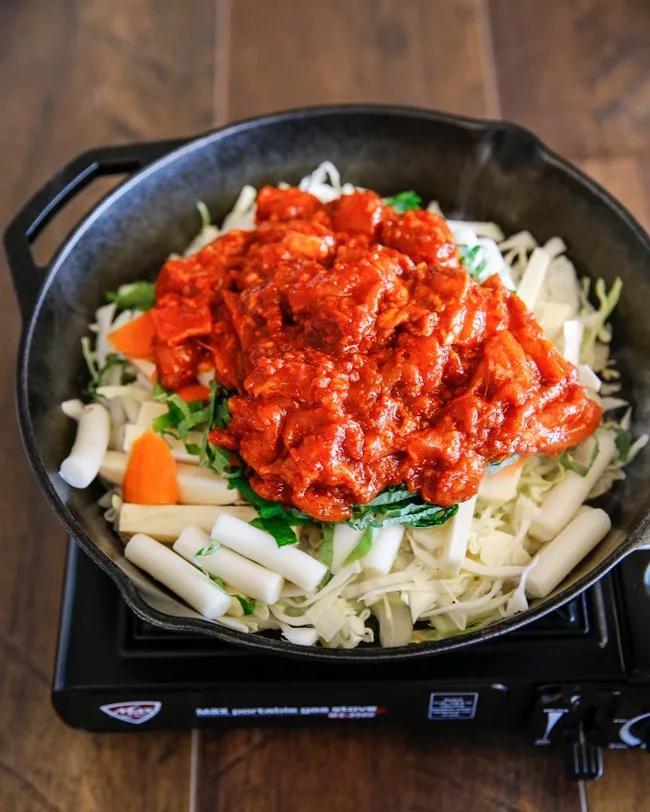
Chicken thighs cut into pieces and marinated in gochujang, soy sauce, sesame oil, garlic, ginger, and sugar, stir-fried with cabbage, sweet potato, and tteok rice cakes until everything is sticky and deeply caramelized.
I ate dakgalbi for the first time in Chuncheon, the city famous for it, at a restaurant where the cooking happened directly on the table. Nothing about it was subtle and everything about it was right.
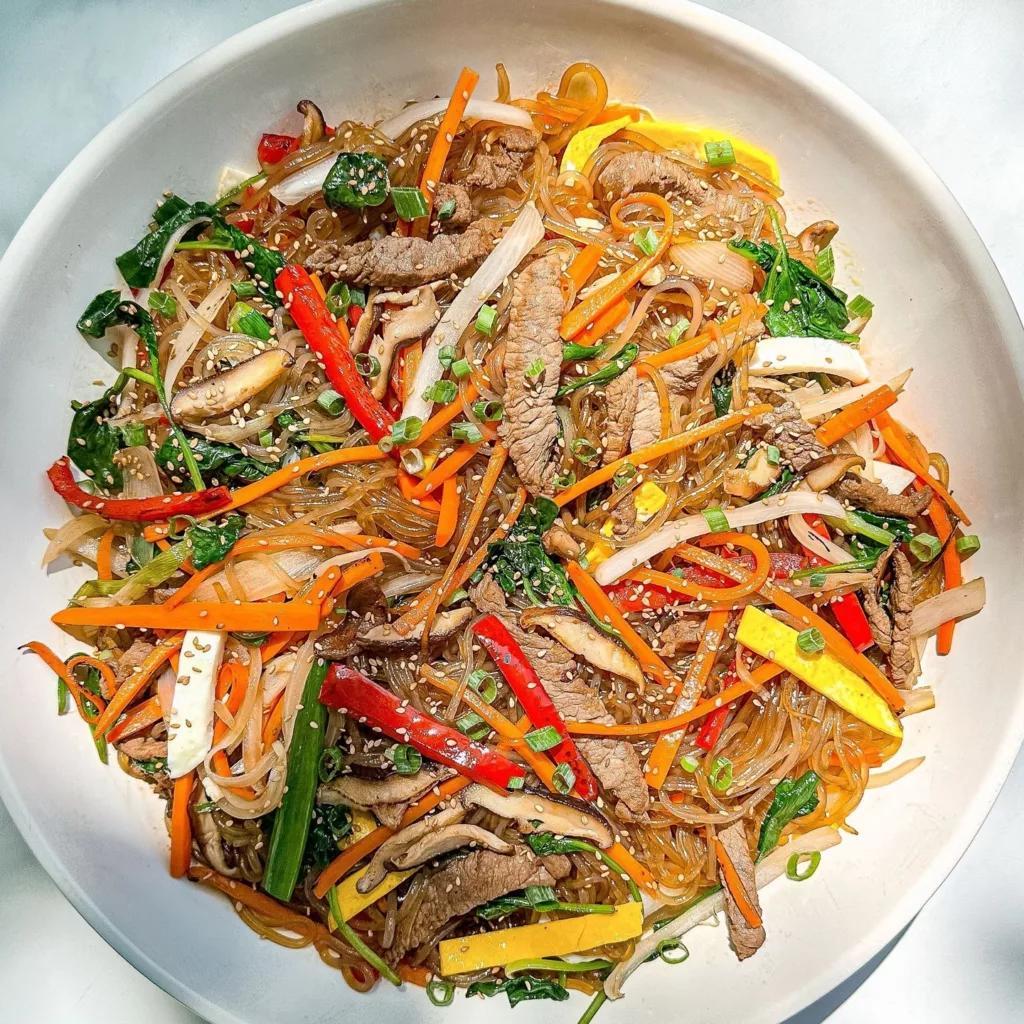
4. Japchae
Credit: @simplyrecipes
Glass noodles made from sweet potato starch, stir-fried with spinach, carrot, mushrooms, onion, and beef in a sauce of soy, sesame oil, garlic, and sugar, each component cooked separately before combining.
Cooking everything separately sounds like extra effort until you taste what it produces. Every element stays distinct while the sauce pulls the whole thing together.
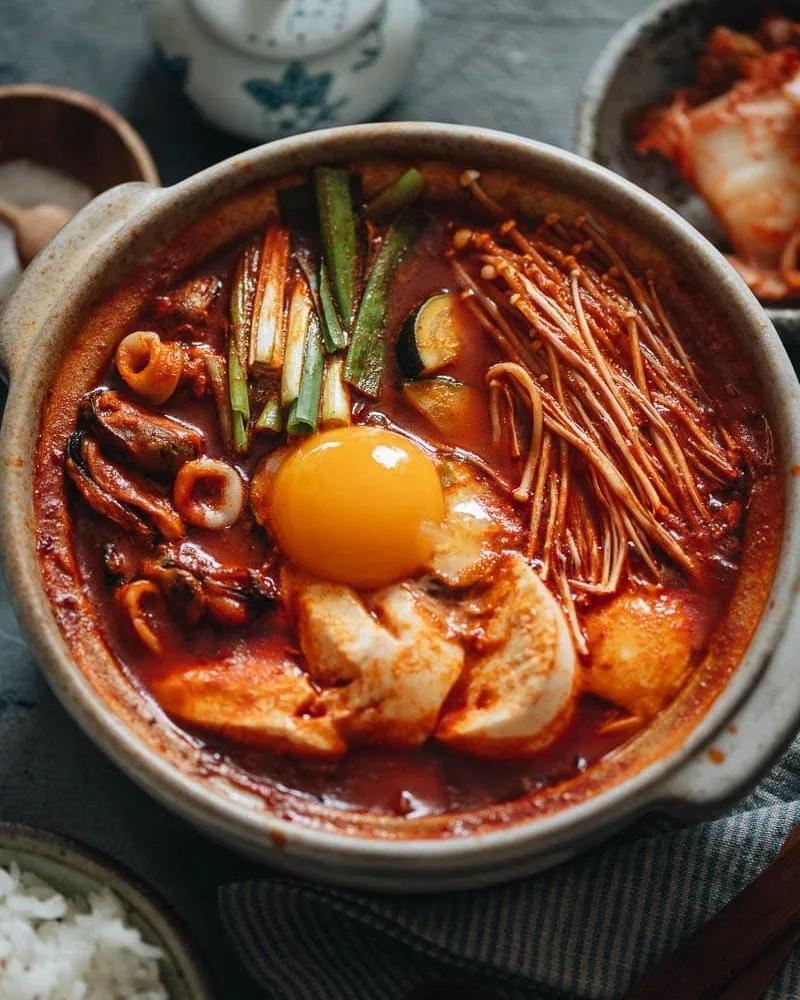
5. Sundubu Jjigae (Soft Tofu Stew)
Credit: @omnivorescookbook
A fiery broth of gochugaru, garlic, anchovy stock, and kimchi brought to a boil, soft tofu broken in by the spoonful, a raw egg cracked in at the end and left to barely set in the residual heat.
Serve in the clay pot it cooked in, still bubbling at the table. The egg yolk broken into the broth at the last moment is the detail that completes it.
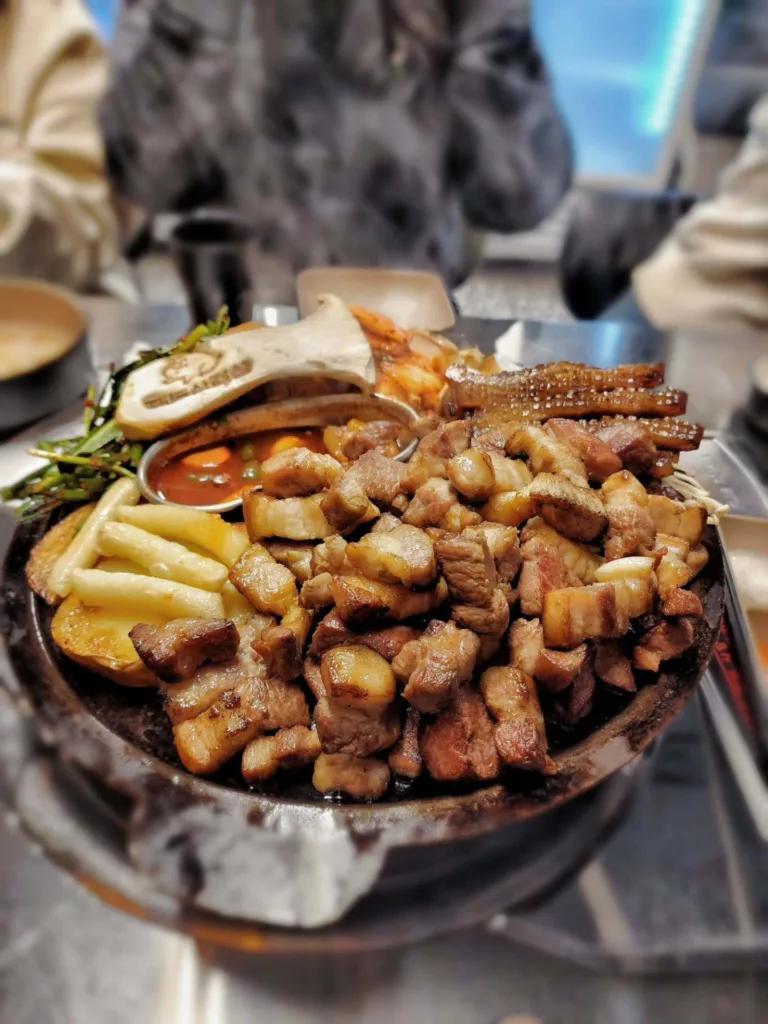
6. Samgyeopsal (Grilled Pork Belly)
Credit: @whatsoeva
Thick slices of pork belly grilled directly at the table until the fat renders and the edges char slightly, wrapped in perilla or lettuce leaves with ssamjang paste, sliced garlic, and kimchi.
The wrapping is the whole experience. Each piece is its own small, perfectly balanced thing, and no two are ever exactly alike.
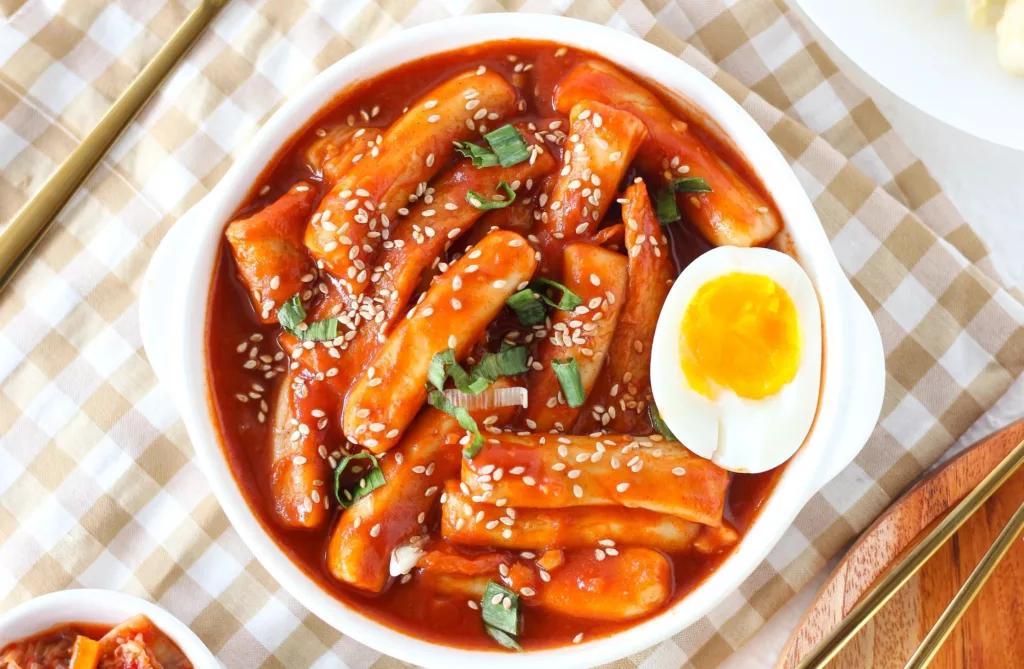
7. Tteokbokki
Credit: @seoulgarden_k
Cylindrical rice cakes simmered in a sauce of gochujang, gochugaru, soy sauce, sugar, and anchovy stock until the sauce thickens and clings to every piece with a glossy, sticky heat.
A Korean street food staple that I ate standing at a pojangmacha in Myeongdong with paper cups of fish cake broth on the side. Fiery, chewy, and completely addictive from the very first bite.
8. Doenjang Jjigae (Fermented Soybean Paste Stew)
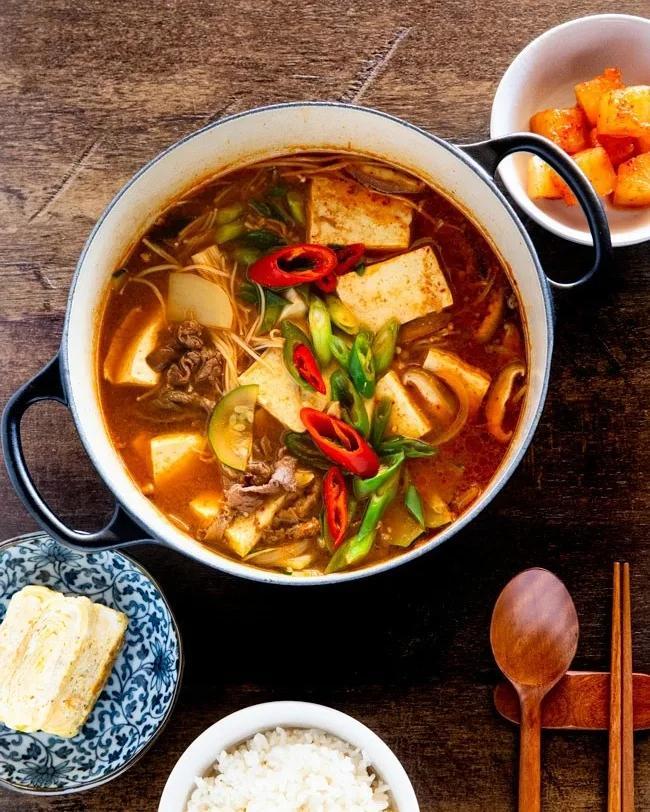
Credit: @mykoreankitchen
Fermented soybean paste dissolved in anchovy stock with zucchini, tofu, mushrooms, onion, and a whole green chili, simmered until everything is tender and the broth has deepened into something earthy and completely restorative.
This is everyday Korean home cooking, the dish that appears on the table more than any other. Simple, deeply nourishing, and tasting like something that took far longer than it did.
9. Korean Fried Chicken
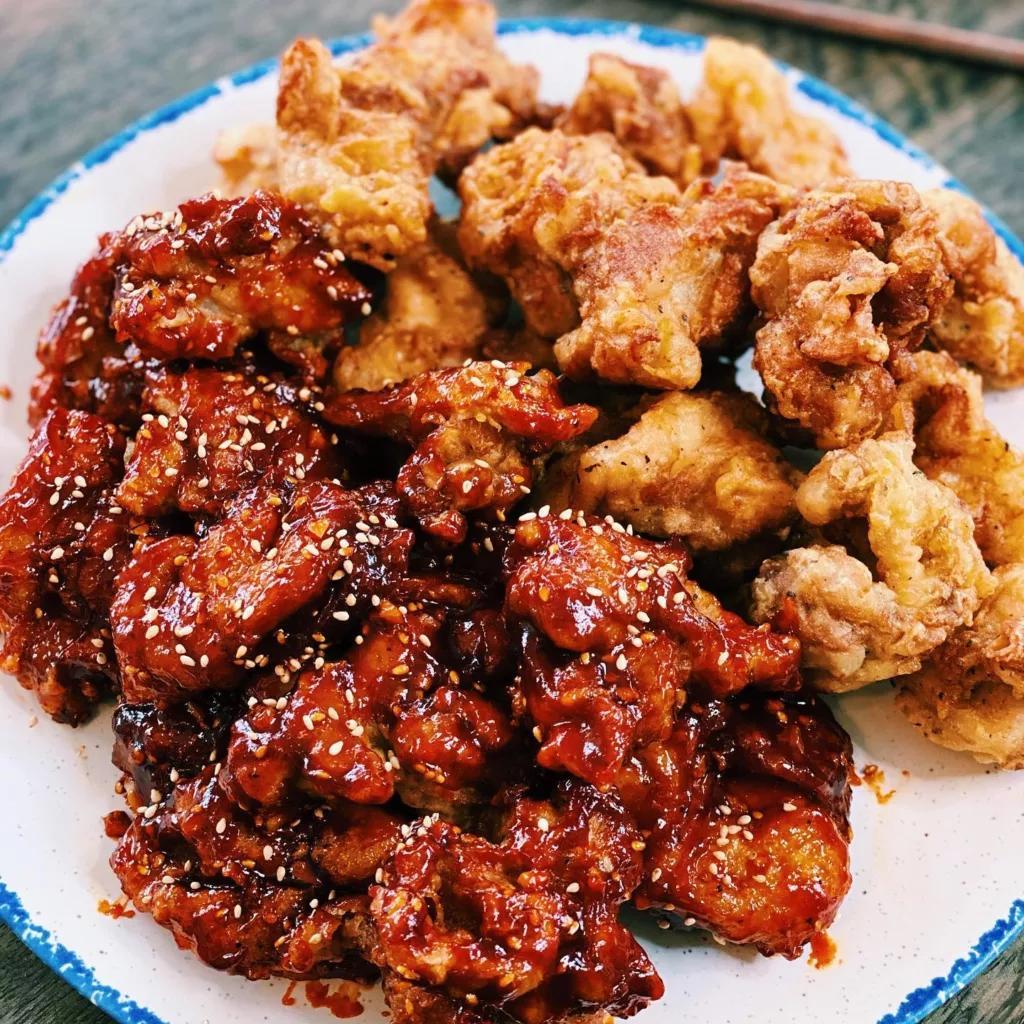
Credit: @tiffy.cooks
Chicken pieces double-fried for maximum crunch, tossed in either a soy garlic glaze or a sticky gochujang sauce until every piece is completely coated and glistening.
The double fry technique produces a crust so shatteringly crisp it holds up even after the sauce goes on. This is the fried chicken that makes every other version feel slightly incomplete.
10. Gamjatang (Pork Bone Soup)
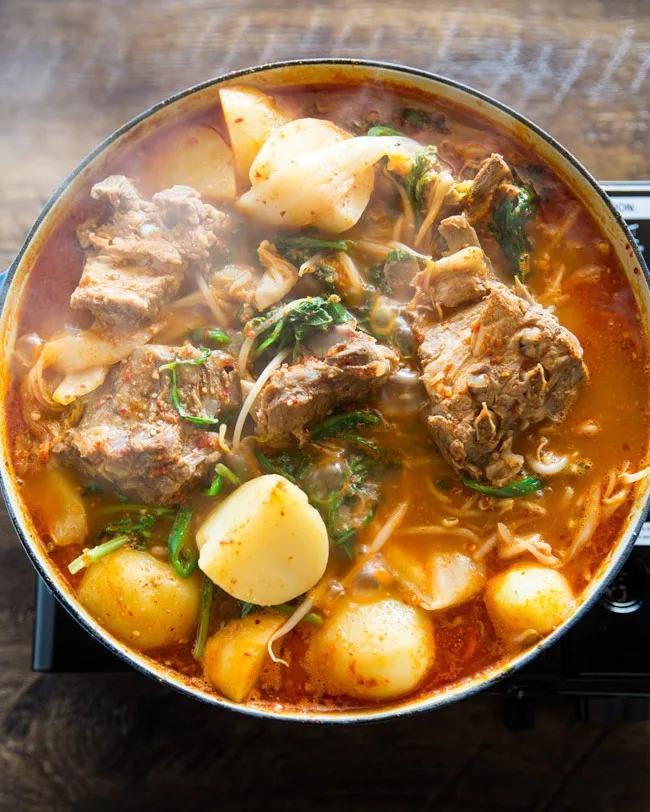
Credit: @mykoreankitchen
Pork neck bones simmered for hours with perilla seeds, doenjang, gochugaru, garlic, and potatoes until the broth is milky and the meat falls completely from the bone with no encouragement.
A hangover cure, a cold weather remedy, and one of the most deeply comforting things Korean cooking produces. Make it on a weekend when the house needs something warm in it.
11. Pajeon (Scallion Pancakes)
Credit: @takestwoeggs
A batter of flour, egg, water, and generous amounts of sliced scallions poured into a hot oiled pan and pressed flat, cooked until the bottom is completely golden and crisp before flipping.
Serve with a dipping sauce of soy sauce, rice vinegar, sesame oil, and chili. I had these at a street stall in Busan in the rain and they were exactly what that moment needed.
12. Galbi (Korean Short Ribs)
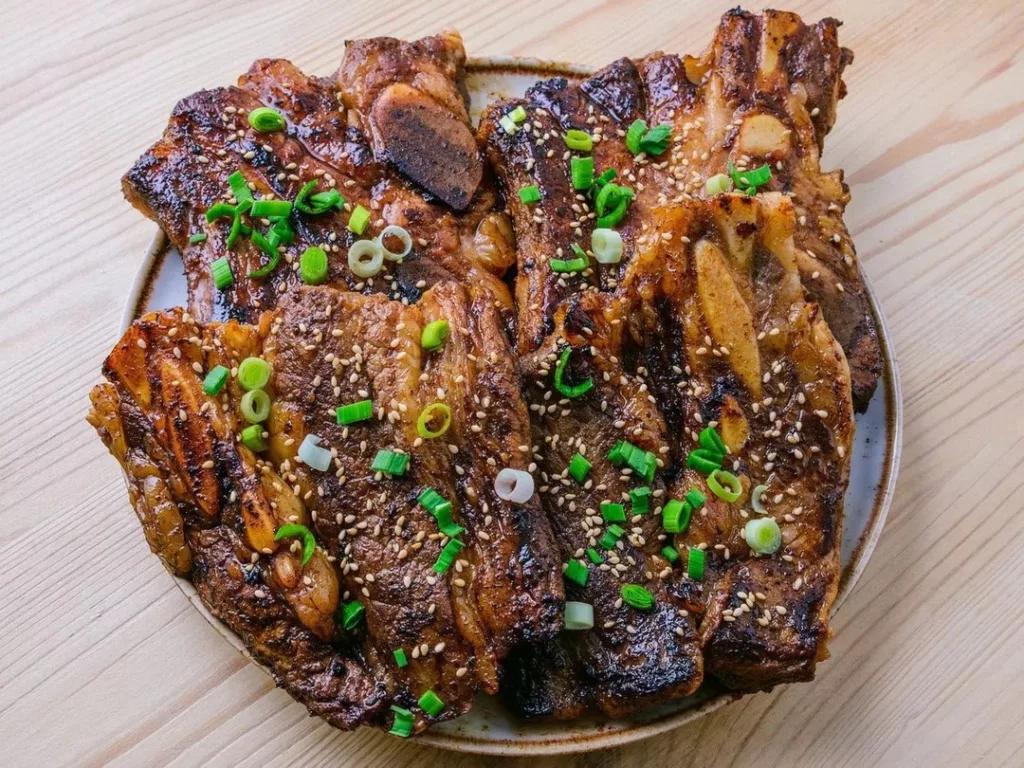
Credit: @hanokhouse2025
Beef short ribs marinated overnight in soy sauce, sesame oil, garlic, ginger, pear, and sugar, grilled over charcoal until caramelized and slightly charred, the meat pulling cleanly from the bone.
The overnight marinade is the whole foundation of galbi. A few hours will not do the same thing. Give it the full time and it gives back something extraordinary.
13. Bingsu (Shaved Ice Dessert)
Credit: @milehighfoodfairy
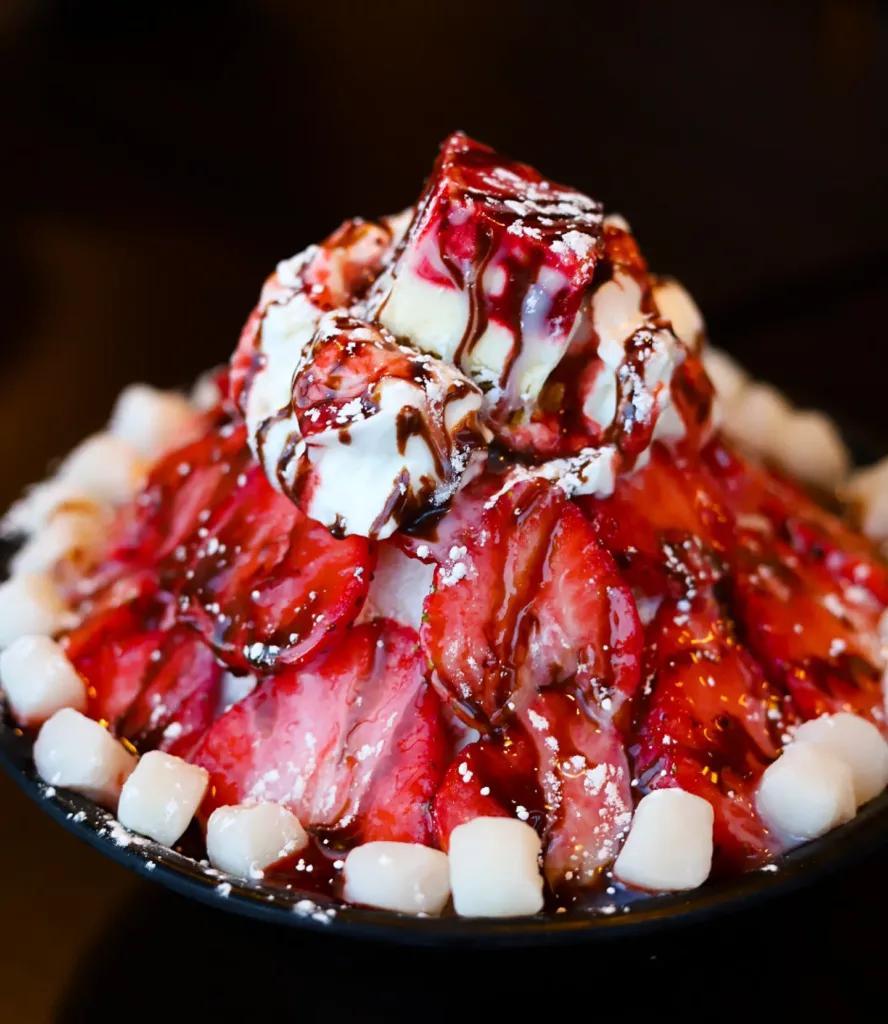
Finely shaved milk ice piled high and topped with sweetened red bean paste, rice cake pieces, fresh fruit, and a drizzle of condensed milk until the whole thing looks almost architectural.
Light, cold, and sweet in a way that feels completely earned after a meal built on heat and fermented depth. The perfect ending to every dish that came before it.
Korean Food Belongs in Your Kitchen
Takeout gets you close. Making it yourself gets you there completely. The flavors are bolder, the textures more alive, and the whole experience of sitting down to something you built from scratch changes the way it tastes entirely.
Start with one dish. The banchan will follow eventually.